Dating App Targets Young Couples With Traditional Courtship Features
A major dating platform has redesigned its service to appeal to young adults who prioritize marriage and traditional gender roles, citing new survey data on Gen Z relationship goals.
By Joseph Jenkins ·
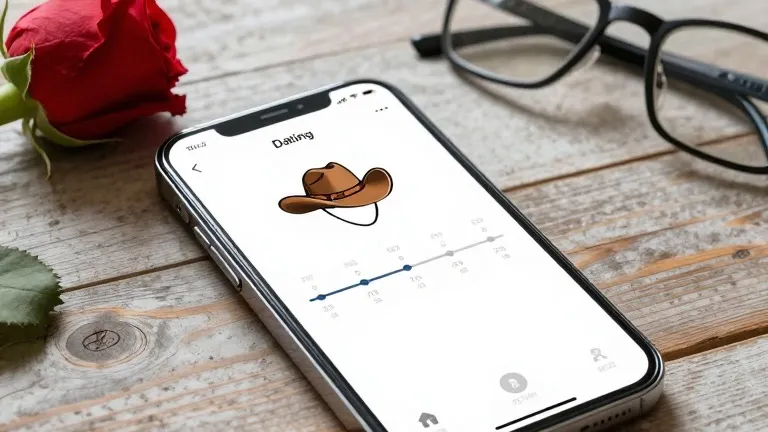
Upward, a dating service under Match Group, recently revamped its platform to target young singles who view marriage as a primary life goal. The company shifted its focus away from an exclusive Christian audience to include any young adults who value traditional family structures. This strategic pivot follows new data suggesting that a significant portion of Gen Z still holds strong desires for long-term commitment, even as broader cultural trends move in different directions.
The redesign relies on findings from Match Group's 2026 Singles in America study. The report indicates that 72 percent of Gen Z respondents want to marry. Additionally, one in four singles aged 18 to 34 identifies with traditional values regarding family, faith, and community. Lauren DeFord, the brand marketing director at Match, explained that the app now welcomes people with similar goals who do not necessarily lead with a faith-first mindset. She described the change as a brand shift while maintaining that Christian singles remain central to the mission.
Functionally, the app operates similarly to Tinder with swipe mechanics, but it introduces specific tools to facilitate traditional courtship. A feature called Chivalry Mode encourages men to initiate conversations, a format that resembles older versions of Bumble. Users can also complete a Marriage Timeline that signals to potential matches when they hope to wed. The interface also allows users to add a Faith Statement describing their personal relationship with God. The company positions the platform as a home for modern courtship, using promotional materials with a distinct Americana theme and Western-style imagery to highlight these values.
Experts offer a more cautious view of the trend. Daniel Cox, a sociologist who studies social change, argues that many young people lack clear relational priorities due to a decline in traditional civic life. He describes the current culture as hyperindividualistic. Cox notes that 44 percent of Gen Z men had no romantic experience during their teenage years, which is double the rate for older men. He believes the traditional approach offers a helpful script for daters, though he does not consider it ideal for everyone.
Other data complicates the narrative. A 2023 Pew Research study found that only 23 percent of adults view marriage as extremely important to a fulfilling life, compared to 61 percent who say the same about close friendships. The percentage of high school seniors expecting to marry dropped from 80 percent in 1993 to 67 percent in 2023. Cox suggests that Match's high marriage statistic may be skewed by age, as older participants may have already completed marriages or divorces. Match asserts its survey of 5,000 unmarried US singles is demographically representative of the Census.
User experiences remain mixed. Adreanna Pulliam, a 25-year-old opera singer in Indiana, joined the app hoping to find a partner with the same end goal. She encountered users who fit a specific conservative profile, along with some unusual choices, such as profile photos taken at funerals. She expressed confusion over features that allow users to list specific body types and permit married individuals to join. Another user in California quit within two days, stating the experience turned her off from Christian dating entirely. A single mother and teacher questioned why agnostics are allowed on the platform.
Match Group has not released active user numbers for the relaunch. The app has faced complaints since its inception regarding technical issues, filtering options, and automatic bans. One App Store reviewer described the platform as janky. Pulliam believes the app could find a niche audience within Christian university communities. However, she notes that the service may only work for users who have a somewhat closed mindset about dating and relationship expectations.
Source: Wired
More Business · Tech news · Buyer Beware · Report a business · Got a Story?