Apple Lifts iPhone Duo Production Targets to 14 Million Amid Surge
Supply chain data reveals a significant manufacturing boost for the new folding device as pre-order demand overwhelms initial logistics.
By Chloe Kapoor ·
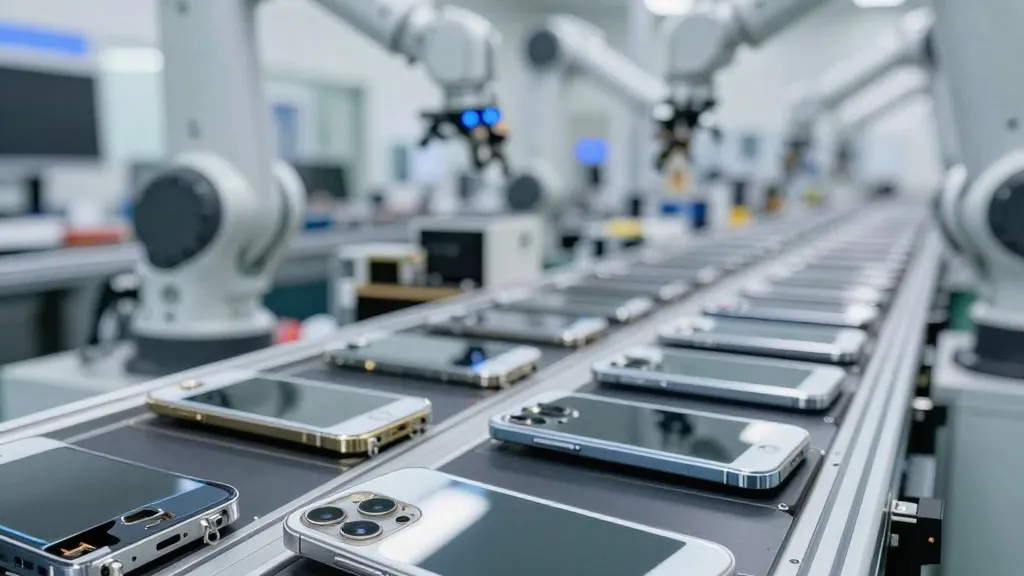
Apple has reportedly raised its first-year shipment targets for the iPhone Duo from 9.7 million to 14 million units, a move driven by what the company characterizes as exceptional consumer interest. This adjustment, detailed in a supply chain report from DigiTimes, suggests that the initial delivery delays experienced by early buyers were not simply a result of logistical bottlenecks, but rather a direct consequence of overwhelming demand that outpaced initial production plans.
The urgency in the production ramp-up is evident in the immediate feedback from customers who placed orders on Friday. Within minutes of pre-orders opening, many users reported receiving estimated delivery windows extending as far out as late January. While Apple attributed these slippages to the high volume of orders, the company also implemented a cap of two units per customer to mitigate the impact of scalpers. The new production figures indicate that Apple anticipates this strong demand will persist, prompting the substantial increase in manufacturing output.
However, the phrase “extraordinary” demand is not new to Apple’s launch playbook, having been used frequently for previous iPhone introductions. Consequently, some observers remain cautious about whether the current frenzy represents a structural shift in consumer behavior toward folding devices or a temporary spike typical of high-profile product debuts. The rapid adjustment of estimated shipping dates for some early orderers supports the narrative that supply is being accelerated, but the initial confusion between demand and supply issues highlights the operational challenges of launching a new form factor.
Beyond hardware availability, software compatibility remains a primary point of contention for early adopters. Users of the iPhone Duo are currently navigating an ecosystem where many third-party applications have not yet been optimized for the device’s unique interface. Apple maintains that this situation is improving rapidly as developers adapt their code, yet the lack of full app support continues to be a significant friction point for users transitioning from traditional smartphones.
Initial reviews from those who have used the device for a week offer a consistent perspective, identifying app support as a key area for improvement. Another notable observation from these early assessments is the device’s reliance on Touch ID for security, a perceived step back from the biometric standards of previous generations. Yet, the technological evolution of the lineup appears to be moving quickly, with new reports indicating that Apple is already testing prototypes of the iPhone Duo 2 that feature Face ID, suggesting a swift return to the company’s preferred facial recognition system in the next iteration.
As the company scales up production to meet the revised 14 million unit target, the focus shifts from mere availability to the long-term usability of the device. The combination of increased manufacturing and ongoing software improvements will determine whether the initial hype translates into sustained user satisfaction. For now, the market is watching closely to see if the iPhone Duo can maintain its momentum without the typical post-launch software gaps that often plague new hardware platforms.
Source: 9to5Mac · original report published