FCC Bans Dashcam and Transmitter Over Huawei-Linked AI Chip
Regulators block two consumer gadgets containing the Hi3516CV610 processor, marking the first enforcement action under a new rule that targets internal silicon rather than brand names.
By Joseph Jenkins ·
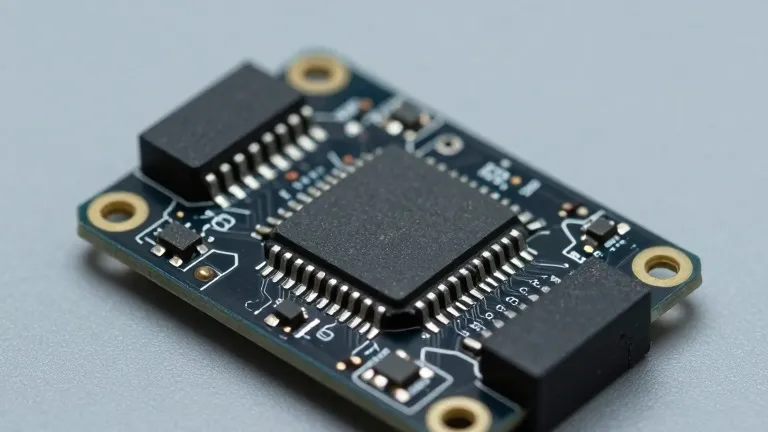
The Federal Communications Commission has halted US sales of two consumer electronics products, a dashboard camera and a wireless video transmitter, under a new regulatory framework focused on internal components.
This action represents the first use of a rule that permits the agency to ban devices based on the specific chips inside them, rather than relying on the brand or model name of the finished product.
Both blocked items contain the Hi3516CV610 UHD Smart Vision system on a chip, manufactured by HiSilicon, a subsidiary of Huawei.
Huawei and its subsidiaries appear on the FCC's Covered List of entities deemed a risk to national security.
The chip features a neural processing unit designed for artificial intelligence tasks, which the agency classifies as logic-bearing smart components.
The data sheet for the Hi3516CV610 states that its Intelligent Video Engine uses a built-in multimodal large model to track objects across video frames.
This technology allows the device to distinguish between pets, faces, human figures, and parcels, potentially differentiating a lost pet from a person taking a courier parcel.
The FCC argues that this same AI logic could be exploited to survey US citizens and log faces for foreign surveillance.
The new rule aims to close a loophole where rebranded products containing parts from listed Chinese manufacturers could remain on the market.
By targeting the silicon directly, the ban applies to the component itself rather than requiring regulators to track every product revision or regional variant.
Huawei previously faced scrutiny for using shell companies to secure AI chip manufacturing from TSMC despite US export requests.
Commentators on the initial report expressed mixed views on the move, with some questioning the distinction between domestic and foreign surveillance capabilities.
Source: Tom's Hardware
More Business · Tech news · Buyer Beware · Report a business · Got a Story?