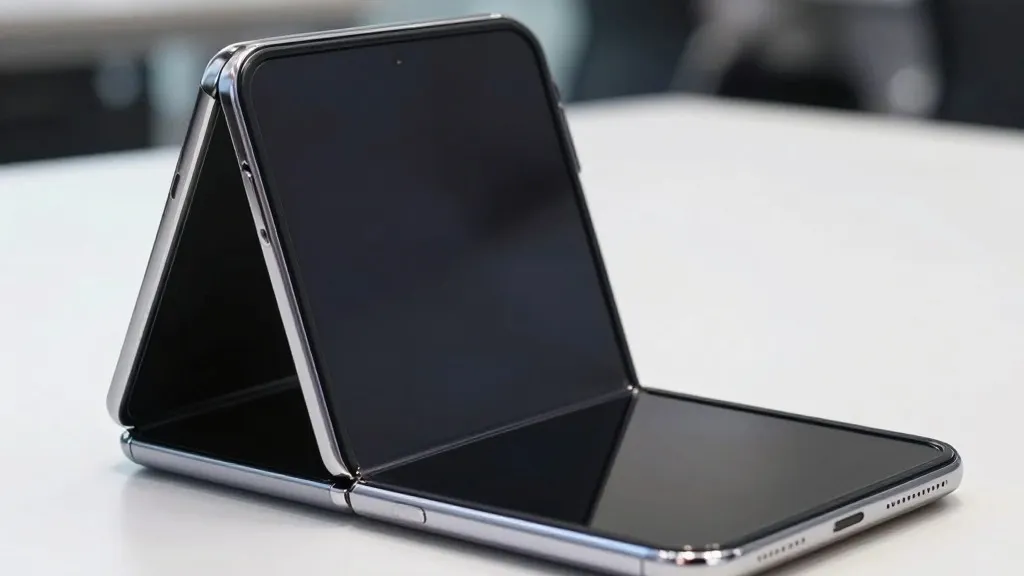
iPhone Duo sidebar consumes 15 percent of cover screen
A fixed dock on the 5.4-inch display reduces usable area, a limitation reviewers say makes the device harder to manage one-handed than the Galaxy Z Fold 8.
By Elizabeth Morales ·
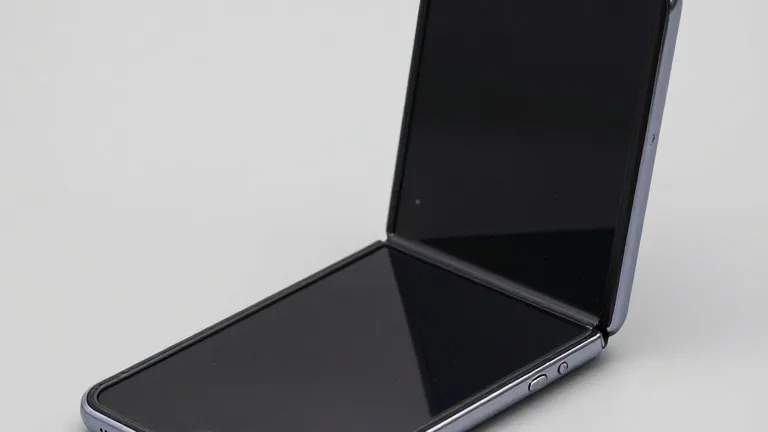
Apple’s new iPhone Duo devotes 15 percent of its 5.4-inch cover screen to a fixed sidebar, a design choice that leaves a large portion of the display unused for primary content. The dock is positioned on the right side of the interface, effectively shrinking the available space for media and apps. This software restriction is now the primary subject of criticism for the device as it reaches early users.
The hardware itself is not the main point of contention. The device features a wide form factor that looks promising on paper. However, this is Apple’s first attempt at a wide foldable, and the initial user experience reveals gaps in how iOS adapts to the shape. The fixed sidebar was intended to simplify navigation, but the execution limits the utility of the small outer display.
Allison Johnson of The Verge noted that the iPhone Duo feels harder to use with one hand compared to the Galaxy Z Fold 8. The Fold 8’s taller and narrower physical profile makes its cover screen easier to navigate. For users who prefer the unique outer screen experience, this difference in ergonomics is a major factor in the decision between the two devices.
The Galaxy Z Fold 8, which has been refined over several years of Android development, offers a different approach. When set to use a navigation bar rather than gestures, the Fold 8 wastes very little screen space. For users who rely on navigation gestures, the entire cover display remains available for content. This stands in sharp contrast to the iPhone Duo, where the sidebar creates dead space regardless of navigation settings.
Apple’s strategy for the small display involves shrinking the available space to stretch media vertically, mimicking the aspect ratio of a traditional slab device. This method aims to save space but reduces the real estate for main content. The Galaxy Z Fold 8 demonstrates that leaving the space free for content works well, providing a functional alternative to Apple’s restrictive layout.
The iPhone Duo is currently available to consumers, though its distribution is limited. Meanwhile, the Galaxy Z Fold 8 continues to perform well for Samsung. The comparison highlights a software hurdle for Apple that hardware upgrades alone may not resolve. Users are left to weigh the sleek design against the reduced functionality of the cover screen.
The Verge’s video review showed the Galaxy Z Fold 8 with a navigation bar to minimize the visual disparity. This setup reveals that the core issue with the iPhone Duo is the mandatory nature of its sidebar. The device is already on the market, and early impressions suggest that the software, not the glass, is the primary barrier to a seamless foldable experience.
Source: 9to5Google