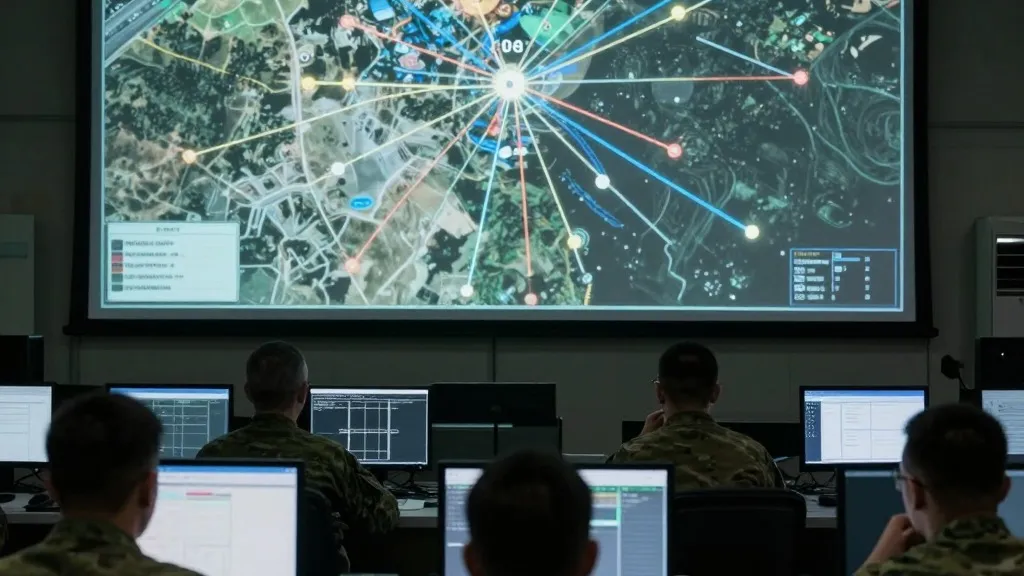
Iranian Terror Plots Force US to Trim Middle East Staff
Director of National Intelligence Jay Clayton directed the removal of non-essential personnel from seven Middle Eastern posts following intelligence on advanced Iranian plots.
By Joseph Jenkins ·
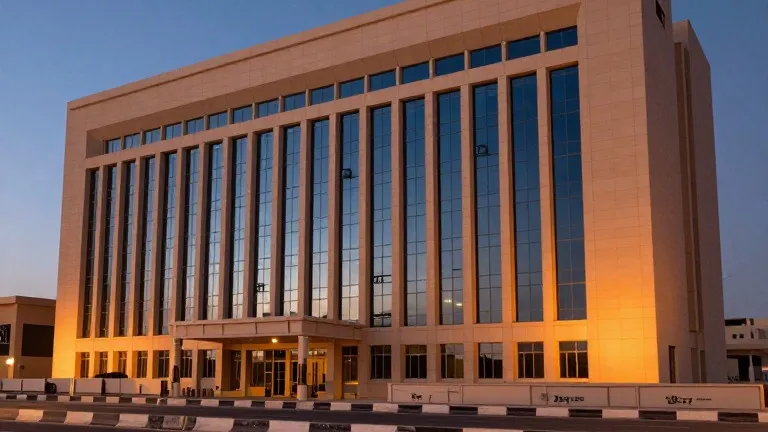
Director of National Intelligence Jay Clayton directed the removal of non-essential personnel from seven United States diplomatic missions in the Middle East.
The decision followed an internal memo sent to Secretary of State Marco Rubio, which stated that intelligence agencies had gathered evidence of Iran substantially increasing efforts to target American personnel abroad. Clayton noted that lethal plots against US officials had reached advanced stages in the Middle East and other countries. The State Department announced on Wednesday that it was withdrawing staff from its embassy in Saudi Arabia. Additional quiet reductions occurred at posts in the United Arab Emirates, Bahrain, Kuwait, Qatar, Jordan, and Lebanon. A US official attributed these moves to escalating Houthi attacks and Iranian terror plots targeting US officials.
Clayon and Rubio are the key figures in this directive, with Clayton providing the intelligence assessment and Rubio overseeing the diplomatic response. The warning placed American staff in the region on high alert. The New York Times reported that threats to ambassadors and other officials had been assessed in recent weeks, while some intelligence suggests Iranian operatives are already active inside the United States. Washington has not publicly commented on the memo, although one official confirmed its authenticity to the Times. Another official noted that Iran may lack the capacity to execute all its planned attacks.
The threat level for US citizens in the Middle East is now at its highest since the US-Israel war on Iran began on February 28. The Pentagon has confirmed that 21 US military personnel have been killed in the region since that date. President Donald Trump said on Friday that the US may launch another military campaign, referring to the conflict by its codename. Reports suggest a new operation may be prepared after the November mid-term elections. Revolutionary Guard spokesman Hossein Mohebbi warned on Wednesday that Tehran would adopt an offensive strategy if the US renewed attacks. He stated that the quality, range, and power of Iranian missiles had improved. Iranian security chief Mohsen Rezaei warned that undersea communications cables, data centers, and artificial intelligence facilities could be targeted if the war resumes.
Source: Al Jazeera