SpaceX declines military contracts and Spain's rocket nears launch
A major US space firm turned down three government offers while a Spanish startup confirms its first rocket is ready for final tests.
By Chloe Kapoor ·
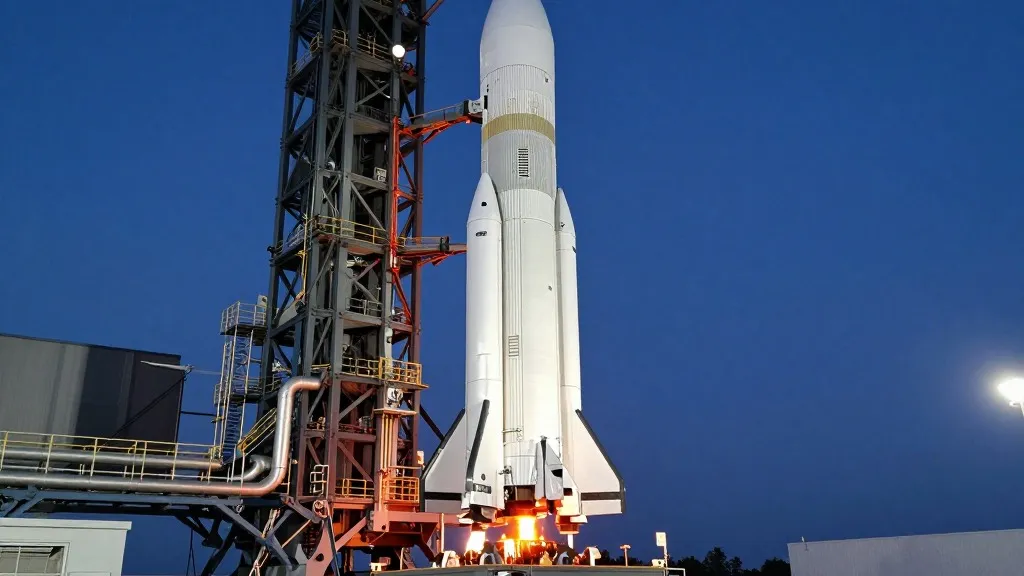
For readers tracking the commercial space sector, the landscape shifted significantly this week. A leading American aerospace company formally declined three launch contracts from the US Space Force. This decision signals a strategic pivot for the firm, which appears to be prioritizing its own development goals over immediate government revenue. Meanwhile, a Spanish rocket manufacturer confirmed that its first orbital vehicle is nearing completion, bringing a new competitor closer to the global launch market.
The refusal by the US company to accept the military work came as a surprise to many in the industry. The Space Force had offered the three contracts as part of its standard procurement process. By saying no, the company is keeping its focus on internal milestones rather than expanding its government portfolio right now. This move suggests a confidence in their current pipeline and a desire to manage their production capacity carefully.
On the international front, PLD Space, a Spanish startup, provided an update on its Miura 5 rocket. The company stated that the vehicle is nearing final integration. This rocket is scheduled for its inaugural flight next year. It is one of three Miura 5 units that the team has already built. The other two vehicles were used to test and qualify key system components before the final launch vehicle was assembled.
Raúl Torres, the CEO of PLD Space, highlighted the benefits of this production approach during a program update on October 19. He noted that building three vehicles allowed their teams to work continuously across different stages of production. This method enabled them to apply lessons learned from each qualification campaign directly to the launch vehicle. The goal is to have the small-lift vehicle in orbit before mid-2027.
Currently, one Miura 5 second stage is fully integrated. This unit is now undergoing system-level testing under conditions that represent actual operating environments. The stage is located at PLD’s test facility in Teruel. There, it is part of a qualification campaign that includes a wet dress rehearsal and a static hot-fire test. These steps are critical for ensuring the rocket is safe and reliable before its first flight.
In Canada, another space startup named Reaction Dynamics is looking to expand its operations. The company is seeking to raise $350 million in new funding. This capital will be used to grow its staff from 68 employees to more than 350. The expansion is designed to support the development of its Aurora rocket, which is a small-lift vehicle. Reaction Dynamics hopes to have Aurora reach orbit by 2028.
The company also announced plans for a larger rocket called Borealis. This medium-lift vehicle is targeted for a debut by 2031. The simultaneous development of two different rocket classes shows the startup’s ambition to serve a wider range of customers. Raising such a large sum of money is a significant step for the company and indicates strong interest from investors in the Canadian space sector.
These developments highlight a busy period for the global space industry. While major US players are adjusting their government relationships, smaller international firms are making tangible progress toward their first flights. For consumers and businesses relying on satellite technology, this increased competition and activity could lead to more launch options and potentially lower costs in the coming years. The next few months will be crucial for verifying the technical readiness of these new rockets.
Source: Ars Technica · original report published
More Business · Buyer Beware · Report a business · Got a Story?