Three Days of Food: UK Households Respond to New Emergency Stockpile Guidelines
Official recommendations for a three-day supply reserve have prompted a surge in preparedness shopping, driven by concerns over climate shocks and geopolitical tensions.
By Joseph Jenkins ·
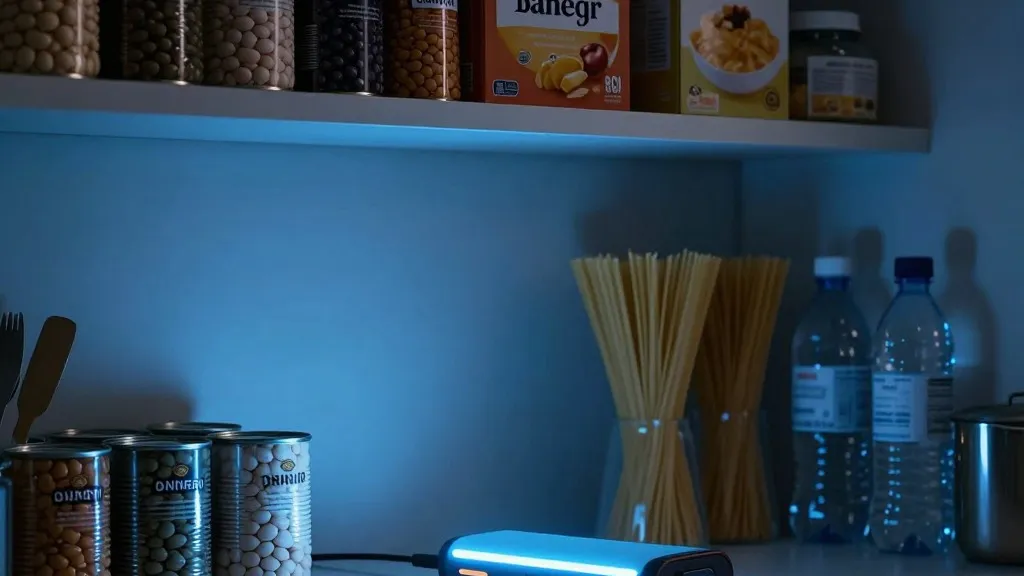
The official recommendation for UK households to maintain three days' worth of essential supplies has triggered a measurable shift in consumer behavior, with many residents treating the advice as an urgent call to action. This directive, launched by the government on Thursday, aims to help citizens cope with a broad spectrum of potential emergencies. The move follows months of ministerial signals that have already nudged some families to begin accumulating dried foods, bottled water, and backup power sources. These items, once seen as niche preparations for disaster enthusiasts, are now becoming standard line items in weekly shopping carts across the country.
One primary driver of this trend is the lingering memory of the 2020 lockdown, when shelves were rapidly emptied of staples like pasta and toilet roll. Lawrence Barratt from Hythe in Hampshire began his stockpiling efforts about a fortnight ago after reviewing the new government advice online. He noted that the official website made him realize he was completely unprepared for any crisis. His strategy involves gradually adding tinned beans, soups, noodles, and rice to his weekly purchases, specifically selecting items that can be cooked with the bottled water he is also accumulating. His goal is to secure enough resources for two people for three days, alongside a first aid kit, a battery-powered FM radio, and a torch.
Beyond food, Barratt is investing in power resilience. He utilizes a portable power bank originally intended for camping, which he believes is capable of charging phones, running a television, and even powering a small fan heater. This focus on energy independence is shared by Marco Camurri from Greenwich in London, whose family began preparing several months ago when reports of supply chain disruptions linked to the El Niño phenomenon emerged. Camurri's household is collecting pasta, passata, stock cubes, medicines, and toilet paper. He stated that his family's preparation is rooted in the collective trauma of the pandemic, noting that they remember the shortages of that period.
Camurri's approach is comprehensive, extending to infrastructure and energy. He has stored wood in his garden to light a barbecue and boil water if necessary. The household keeps power banks charged, maintains USB rechargeable flashlights, and ensures their car fuel tank stays above 50 percent, allowing for approximately 300 miles of driving. To manage their inventory, the family is creating a spreadsheet to track the expiry dates of their supplies, which they have dubbed their Doomsday Stash. Because they consume the food as it ages, the process requires only one extra week's worth of staple shopping. This methodical approach contrasts with the views of Jack Davenport from North Shields, who also cited El Niño as a trigger but expressed uncertainty about the magnitude of the threats. Davenport listed climate disasters, Russian shadow threats, artificial intelligence risks, and interest rate hikes driven by energy insecurity. He argued that the country's physical and technological infrastructure is creaking and outdated, suggesting the government aims to reduce long-term panic by framing these events as merely possible.
Not all residents are convinced by the new guidance. Deirdre O'Sullivan from Leicester described the advice as daft, comparing it to 1970s instructions to hide under a table during a nuclear attack. She argued that the three-day timeline is inadequate for a genuine emergency, particularly regarding drinking water safety. O'Sullivan suggested that any danger to water supplies should be anticipated with greater precision. Furthermore, she contended that an extreme food shortage would likely become apparent over a much longer period. She likened the policy to a fictional bureaucratic move designed to demonstrate that a policy exists, even if that policy is clearly totally useless.
As the campaign gains traction, the divide between those meticulously planning for the worst and those viewing the advice with skepticism continues to widen. The government's emphasis on preparedness reflects a broader shift in how public health and civil readiness are communicated. While some see the three-day reserve as a rational response to modern vulnerabilities, others question its practicality in a complex urban environment. The coming months will likely reveal whether this campaign leads to a lasting cultural change in household planning or remains a temporary response to specific geopolitical and climatic anxieties.
Source: The Guardian