
Votel: Iran strikes weaken targets but leave end state undefined
Retired general says new bombing may buy time and lower fuel costs, but U.S. needs a clear finish line for the war.
By Joseph Jenkins ·
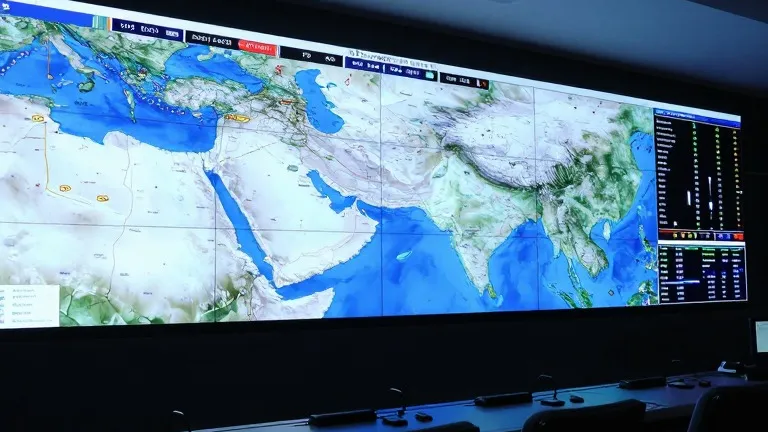
Retired Army Gen. Joseph Votel says fresh U.S. and Israeli strikes on Iran will likely degrade Tehran’s capabilities but will not end the war.
Votel, who led U.S. Central Command from 2016 to 2019, spoke with NPR reporter Leila Fadel about the objectives behind a potential post-election bombing campaign. He noted that many likely targets have been hit previously and that Iran has demonstrated the ability to rebuild them. In his assessment, strikes can buy time, punish the government, and reduce specific military assets, but they have not yet altered Tehran’s strategic calculations.
The former commander argued that Washington must define a clear end state before launching a new phase of attacks. He identified two primary goals: resolving the nuclear enrichment issue and reopening the Strait of Hormuz. Once those objectives are set, he said, military force should be combined with economic, diplomatic, and information pressure to achieve them.
Votel pointed to the financial front as the area showing the most visible progress. He cited recent reporting that Iran’s so-called ghost fleet has run out of oil, indicating that sanctions and the blockade are adding pressure. While he noted this approach takes time, he said there is definite movement in that direction.
The general acknowledged that U.S. aims have been difficult to read. He said a key focus is reopening the Strait of Hormuz to allow oil and commerce to move freely, which would help lower gas and diesel prices at home. He also highlighted Iran’s nuclear program as a major concern. Votel added that Iran is using proxies, including the Houthis, to create regional instability, but he described Hormuz and enrichment as the principal worries.
On military readiness, Votel stated that American offensive power in the region is substantial and that the ability to strike is not in question. He identified missile defense as the potential constraint. Earlier reporting described heavy pressure on defensive interceptors that protect U.S. forces and regional partners. In his view, offensive capability is where it needs to be, while defense may face a constraint.
Votel said bringing Iran to the negotiating table requires a clear statement of objectives and a coordinated use of all national power tools. He emphasized the need for patience to see that approach through.
Source: NPR