2027: The New Target for Tesla's Humanoid Robots
Tesla has pushed back its timeline for shipping Optimus units to external clients, citing unresolved challenges with the robot's dexterity and artificial intelligence.
By Chloe Kapoor ·
The wait for a commercially viable humanoid robot from Tesla appears to be extending again. During the company's Q3 2026 earnings call, CEO Elon Musk indicated that deliveries of the Optimus robot to outside customers will not begin until late 2027. This marks a significant shift from earlier projections, as the company continues to grapple with the same technical hurdles that have plagued the broader robotics industry.
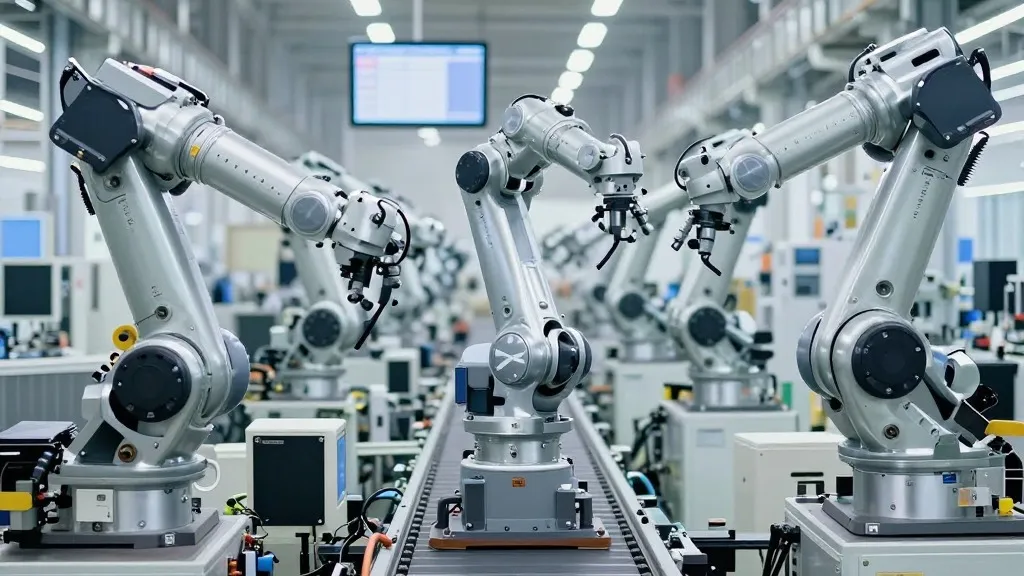
Musk stated that Tesla has begun early production of the Optimus on a high-volume line in Fremont, California. This facility previously produced the Model S and Model X. While most of the assembly line designed for a potential one million units per year is already installed, the company expects it to take at least another year to reach full capacity. The target rate is approximately 20,000 units per week, but delays are expected due to ongoing design changes.
The primary obstacles remain the AI architecture, electromechanical design, and overall reliability. Musk emphasized that the robot must not wear out after just a month of use. A Tesla Optimus engineer identified the hand as a particularly difficult hardware component. The fingers must be soft enough for delicate tasks but durable enough for constant wear, a challenge complicated by the fact that robots cannot heal like human skin. Custom gears also present reliability concerns.
On the software side, Tesla lacks a large fleet of robots to collect data for its AI models, unlike its automotive division. To address this, the company plans to build between 10,000 and 20,000 units for an internal "Optimus Academy" where the robots can practice various tasks. The AI5 chip is scheduled for integration into the Optimus around April 2027. Musk also promised a video within the next one to two months showing the robot performing unscripted tasks, a move intended to distinguish Tesla's progress from scripted competitor demonstrations.
This timeline follows a history of shifting goals. In 2024, Musk suggested internal use in 2025 and high volume for other companies in 2026. By January 2025, he predicted about 10,000 robots would be built that year, with thousands doing useful work by the end. He later conceded that none had achieved that level of utility. The Q3 shareholder letter now describes the current output from Fremont as the first "production-quality" bots the company has manufactured, implying previous units did not meet that standard.
Musk claimed that no other company is close to Tesla in general-purpose humanoid development. However, competitors are making tangible progress. XPeng activated an automated production line for its IRON robot in Guangzhou in September, with plans for mass production by the end of 2026 and deliveries in the first half of 2027. Meanwhile, Boston Dynamics began producing its electric Atlas in January and has secured all its 2026 deployments, including work with Google DeepMind and Hyundai. Boston Dynamics has also hired Milan Kovac, Tesla's former head of Optimus.
While Tesla may have the most robots under construction, the challenge of making them useful remains unsolved for all players. The industry is still working on hands that can survive real work and AI that can generalize to new tasks. For California readers watching the tech landscape, this delay underscores that the promise of widespread humanoid labor is still years away, with competitors moving at a similar pace despite Tesla's claims of a lead.
Source: Electrek · original report published