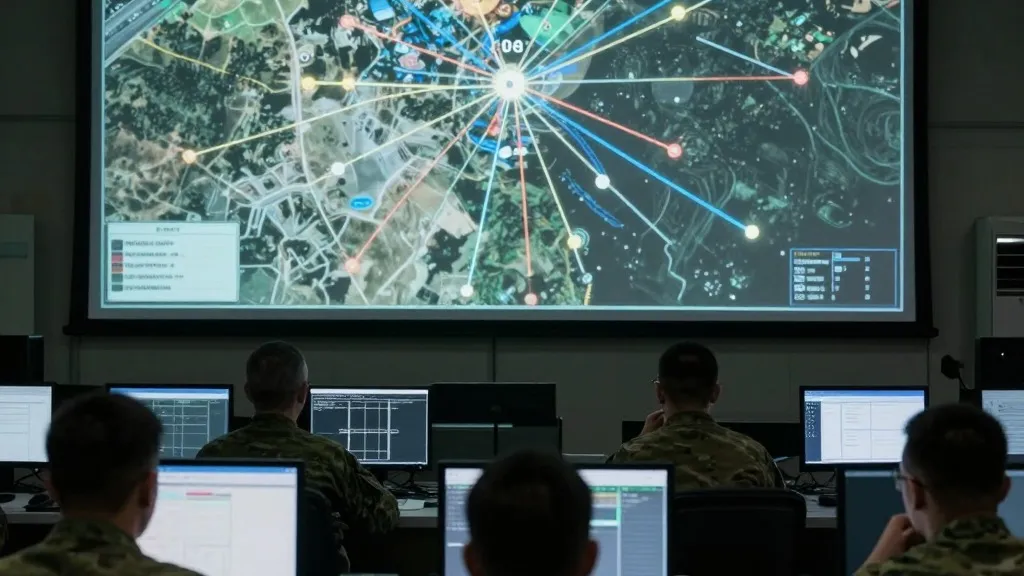
55%: The speed limit failure rate driving Tesla to build its own maps
Tesla is developing an internal mapping system to correct frequent navigation errors, a strategic pivot that contradicts the company's previous dismissal of map-based driving.
By Elizabeth Morales ·
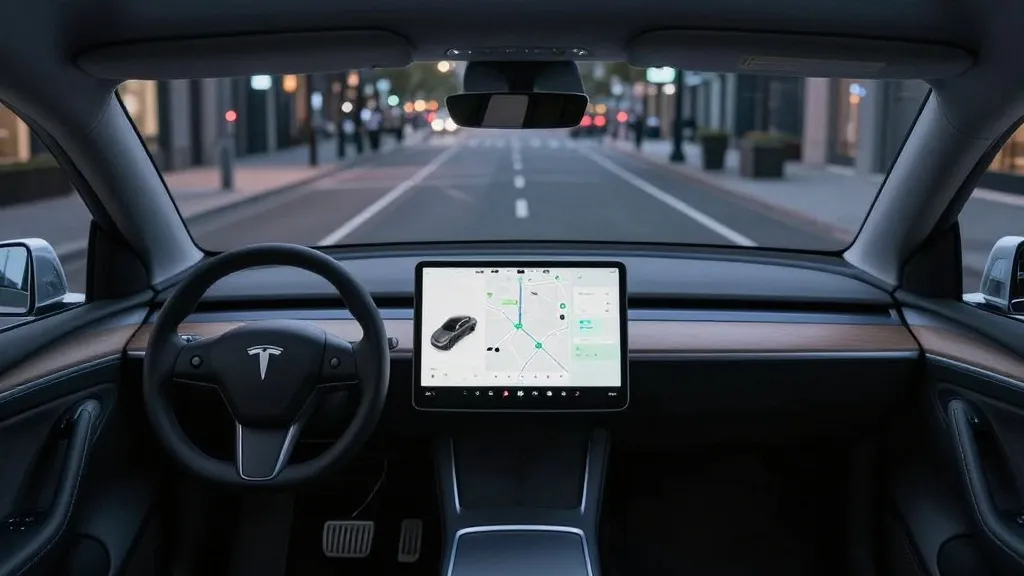
For drivers relying on Tesla’s Full Self-Driving (FSD) system, the upcoming changes could mean fewer instances of the car misreading speed limits, struggling with parking, or selecting inefficient routes. These are the specific pain points that have frustrated users and prompted the automaker to announce a significant internal shift. Rather than continuing to depend on third-party navigation data, Tesla is now constructing its own proprietary maps to address these common operational failures.
The announcement was made by Ashok Elluswamy, Tesla’s VP of AI, during the company’s Q3 2026 earnings call. Elluswamy stated that the company is developing a new AI-based mapping and navigation architecture. This system will be fed by data collected collectively from the Tesla fleet. The new maps are designed to learn individual driver preferences and respond to voice commands, aiming to provide a more tailored and accurate driving experience.
The rollout of this technology is staged. It will begin by handling the start and end of trips with the upcoming FSD v15 release. Over the following months, the system is expected to take over broader navigation, parking, and destination handling functions. This approach suggests a gradual integration rather than an immediate overhaul of the existing navigation stack.
This move represents a stark reversal from Tesla’s public stance for the past decade. In 2019, CEO Elon Musk declared that high-precision lane maps were a "huge mistake" and that relying on them made self-driving systems "extremely brittle." At the same time, he dismissed lidar as a "fool’s errand," arguing that Tesla could solve driving with cameras and AI alone. The company’s current strategy appears to align more closely with the methods previously criticized as overly complex or unnecessary.
The decision was directly prompted by shareholder feedback. During a Q&A session, a retail investor noted that mapping "continues to be a problem" for FSD, specifically citing speed limits, parking, and route selection as the top three issues. Elluswamy agreed with the assessment, stating that Tesla "shouldn’t be depending on external people’s maps." This admission highlights the gap between the company’s earlier marketing promises and the practical realities of autonomous driving.
The necessity for better mapping is underscored by recent performance data. In Brussels, a Belgian road safety group found that FSD exceeded speed limits in 55% of the 30 km/h zones it tested. The vehicles averaged 44 km/h in these zones, often because the car’s display incorrectly showed a 50 km/h limit. Additionally, the U.S. National Highway Traffic Safety Administration (NHTSA) is weighing an investigation into claims that Tesla Robotaxis speed through active school zones, a concern covering approximately 1,000 Model Y and Cybercab vehicles.
These errors suggest that the current vision-based system struggles with basic environmental understanding. If an end-to-end vision model cannot reliably identify and apply simple speed limit signs, the reliance on a supplementary map layer becomes a logical correction. The new system aims to fill these gaps by providing a more reliable data source for the vehicle’s decision-making processes.
Critics point out that this strategy mirrors the approach of Waymo, which uses sensor-equipped vehicles to map cities before launching driverless services. While Tesla’s maps may not be high-definition (HD) maps in the traditional sense, the core concept of a fleet-building a detailed map to guide future operations is similar. The main technical difference remains that Waymo’s vehicles are equipped with lidar, whereas Tesla relies on cameras and the collective data of its fleet.
As Tesla continues to refine this system, the company is effectively acknowledging that its vehicles are now performing a mapping function. This brings the two major players in autonomous driving closer in methodology, despite their differing hardware choices. The success of this new mapping architecture will likely depend on how effectively it resolves the persistent issues with speed limit recognition and route efficiency that have plagued FSD users.
For now, the focus remains on integrating these new maps into the FSD v15 release. The outcome of this transition will be closely watched by both consumers and industry analysts, particularly as it tests the long-term viability of Tesla’s vision-only strategy against the practical needs of real-world driving.
Source: Electrek · original report published
More Business · Buyer Beware · Report a business · Got a Story?