Algerian troops to enter Niger to guard oil sites
Parliament voted on Sunday to authorize a military mission to protect state-owned energy assets after relations between the two neighbors improved.
By Elizabeth Morales ·
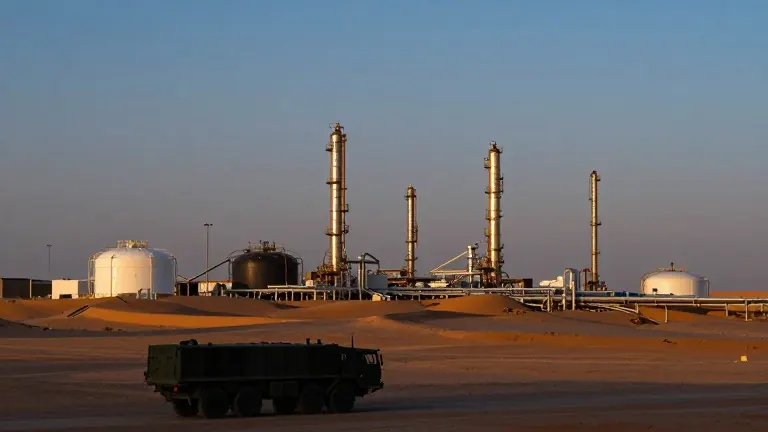
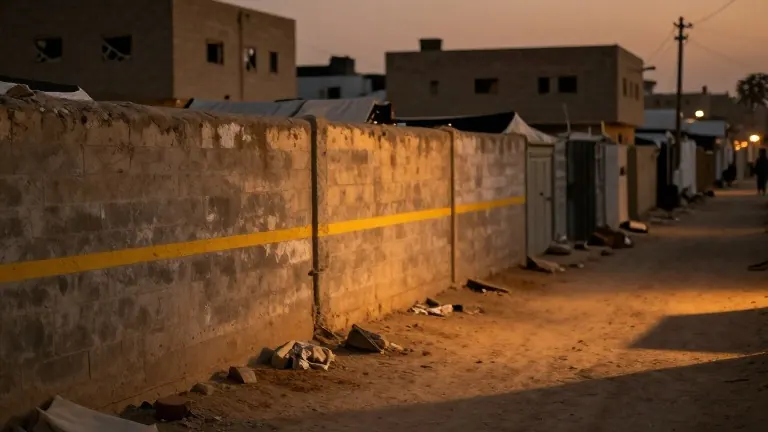
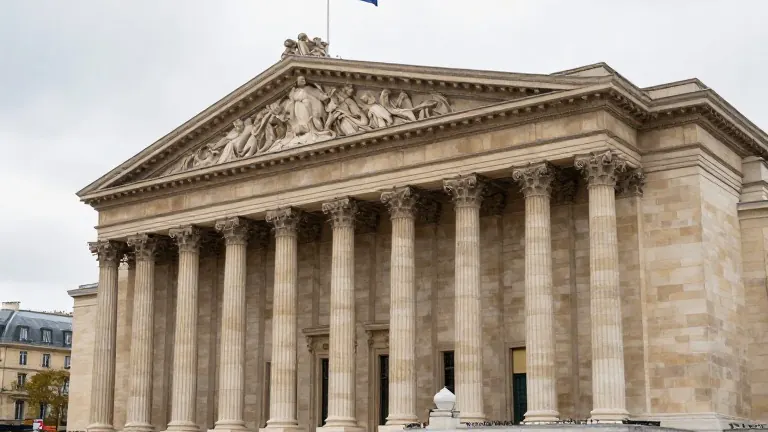
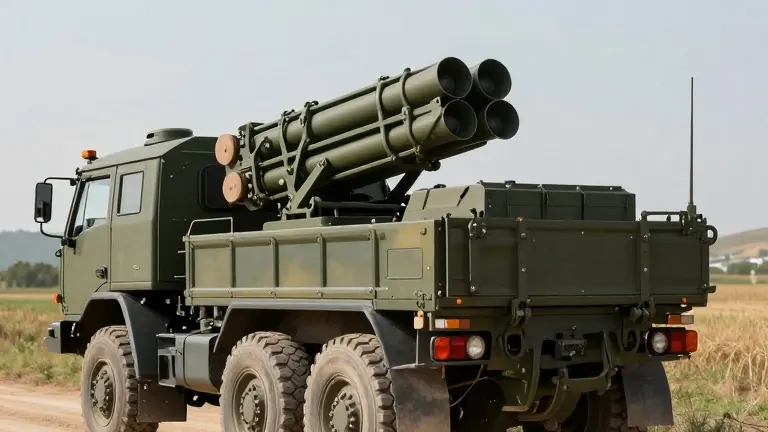
Algerian soldiers will soon enter neighboring Niger to guard oil facilities owned by the state. The move marks a departure from the country's long-standing policy of avoiding foreign military intervention. The decision was ratified on Sunday by the People's National Assembly, the lower house of parliament.
The upper house, the Council of the Nation, approved the proposal unanimously earlier on Sunday. Officials have not yet released specific numbers for the troop count or the exact deployment date. The mission is designed to safeguard the economic and strategic interests of Algeria, with a primary focus on the oil sites operated by Sonatrach.
Senator Belkacem Boulghiti of the Associated Press described the objective as securing economic infrastructure. He stated that the army is not entering Niger to wage war but to adapt its doctrine to new challenges in the Sahel region. The deployment follows a period of improved diplomatic ties between Algiers and Niamey.
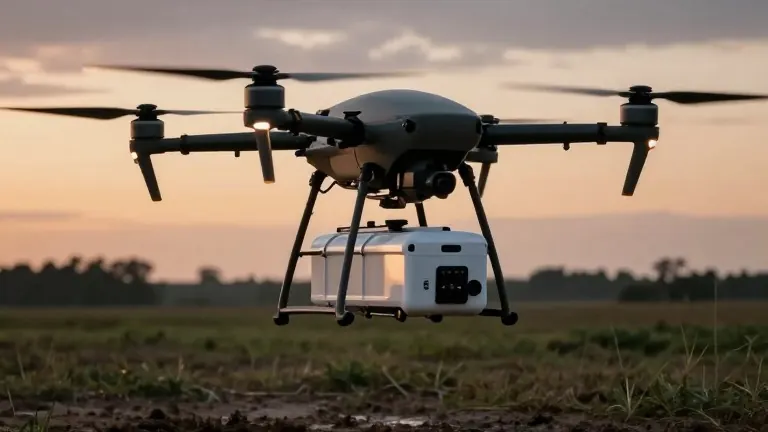
President Abdourahamane Tchiani of Niger visited Algeria in February. Later in the year, Defense Minister Salifou Mody traveled to Algiers to discuss security cooperation. These visits occurred after a diplomatic crisis that began in April when the Algerian army shot down a Malian drone. That incident led Niger, Mali, and Burkina Faso to recall their ambassadors from Algiers.
Algeria spent more than 25 billion dollars on its armed forces in 2025. According to the Stockholm International Peace Research Institute, this spending makes it the largest military spender in Africa. The constitutional framework for such deployments was formalized in a 2020 revision. Article 91 requires the president to obtain the backing of at least two-thirds of the members in each chamber of parliament.
The country shares thousands of kilometers of borders with Mali, Niger, and Libya. Instability in the Sahel has direct consequences for security along Algeria's southern frontier. The current security crisis in the region traces partly to the collapse of Muammar Gaddafi's government in Libya in 2011. Weapons and fighters, including Tuareg groups, spread into neighboring countries after that collapse.
Since 2012, Mali, Burkina Faso, and Niger have experienced six military coups. Three occurred in Mali, two in Burkina Faso, and one in Niger. These coups often followed accusations that civilian governments failed to contain armed groups. The region is also seeing a shift in foreign military presence. France withdrew its troops from Mali in 2022, Burkina Faso in 2023, and Niger in 2023.
Russia has filled the gap left by Western forces. Approximately 100 Russian military personnel arrived in Niamey in April 2024. These personnel are associated with Africa Corps, a paramilitary group close to the Kremlin. The United States also reduced its footprint, withdrawing about 1,000 soldiers from Niger in 2024 after the military government ended their security cooperation agreement.
The deployment aims to protect the Trans-Saharan Gas Pipeline project, which would transport gas from Nigeria to Europe through Niger and Algeria. Securing this infrastructure is a practical goal for the Algerian government. The mission also allows Algiers to establish a direct military presence in a neighboring country where the security architecture is currently being reshaped.
Algeria severed diplomatic relations with the United Arab Emirates in September. It accused Abu Dhabi of hostile and provocative actions without detailing specific incidents. The two nations have long disagreed on regional issues, including Western Sahara and UAE interference in North Africa. The troop deployment stands as a concrete step in Algeria's assertion of security interests beyond its borders.
Source: Al Jazeera