Gazans watch Israeli polls from behind a line
With 65% of the territory under Israeli military control, residents say the upcoming vote determines whether displacement ends or continues.
By Elizabeth Morales ·
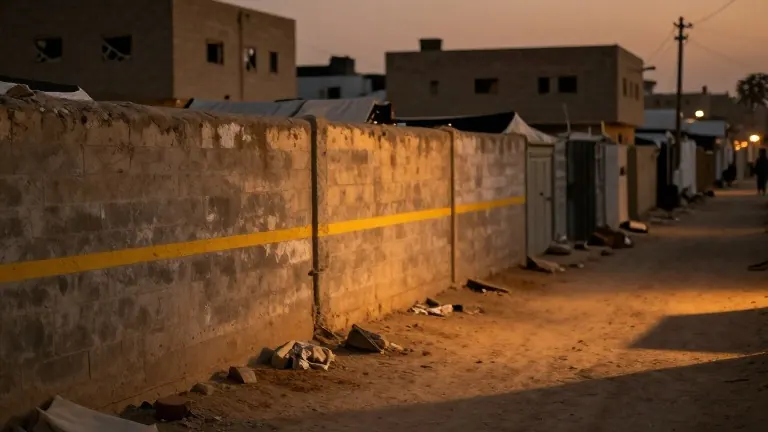
Sixty-five percent of Gaza remains under direct Israeli military control, a boundary residents call the Yellow Line. This figure anchors the anxiety of thousands of Palestinians watching the Israeli election scheduled for Tuesday. The ceasefire that has held since October 2025 has not ended daily airstrikes or the scarcity of basic goods.
The campaign has been defined by the war that began with the Hamas-led attacks on October 7, 2023. Prime Minister Benjamin Netanyahu faces sharp criticism over his security handling before that date. His far-right coalition allies have pushed for a harder stance, including calls to expel Gaza's population.
Mohammed Eliyan, 36, lives in Deir el-Balah with his five children after being displaced from the Jabalia refugee camp. He supports Gadi Eisenkot, a former military commander and Netanyahu's main rival. Eliyan fears a second Netanyahu term will bring more war. "They are still our enemy, and I don't expect things to improve dramatically," he said. He hopes the next leader will be "less harsh."
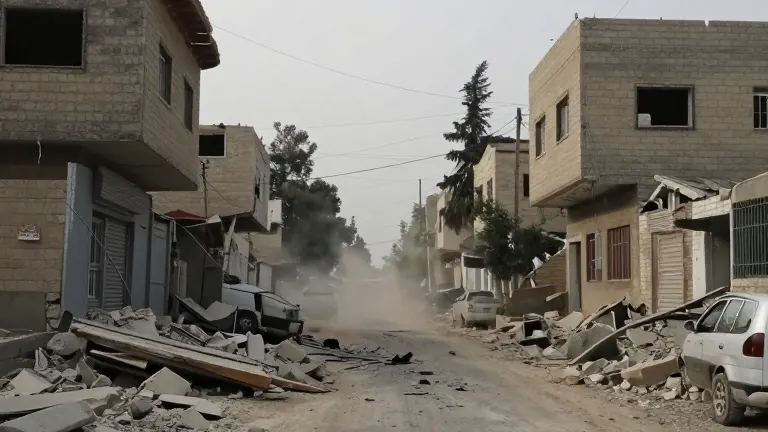
Islam Salem, 41, believes the election outcome will worsen his children's future. He argues that Israeli elections primarily serve domestic interests and that policy toward Gaza will remain static regardless of the winner. Salem points to the physical damage as proof of this stagnation. More than 80 percent of buildings in Gaza have been damaged, and roughly two-thirds of those structures are completely destroyed. "We live day by day," he said. "Everything we feared has already happened."
Hanan Abu al-Maaza, 57, has been displaced more than 12 times during the conflict. She dreads the prospect of harsher treatment under a new administration. If Netanyahu loses, she believes her chances of returning to her home in Beit Lahiya improve. "We have had enough of war and destruction," she said. "There is nothing left to destroy, yet the suffering continues."
Manar Owaida, 23, resides in the Tal al-Hawa neighborhood of Gaza City. Originally from the north, she views Netanyahu as more extreme than his rivals. She argues that Israeli policy has been consistent for decades. A new government might ease the blockade and withdraw from areas beyond the Yellow Line. Her primary fear is that Netanyahu could launch a wider regional war to deflect domestic political pressure surrounding the vote.
Mousa Ali, 33, is a father of four displaced from Beit Lahiya. He views the election as critical because of the Yellow Line and the question of whether displaced residents can return to areas beyond it. Ali hopes Arab parties gain enough seats to influence the next government. He does not expect a major policy shift, however. A Netanyahu victory would prolong displacement and solidify Israeli control around the line.
Residents share a common appeal for the next leader: end the war and stop the bloodshed. Ali summarized this sentiment, stating, "We hope this policy will end and that a new prime minister will stop this ongoing bloodshed."
Source: Al Jazeera