Ukrainian Regiment Tests 150 kg Drone to Pull Wounded from Front
The 475th Separate Assault Regiment used an AI-guided aircraft to evacuate two soldiers from a zone where enemy electronic warfare had disabled satellite signals.
By Joseph Jenkins ·
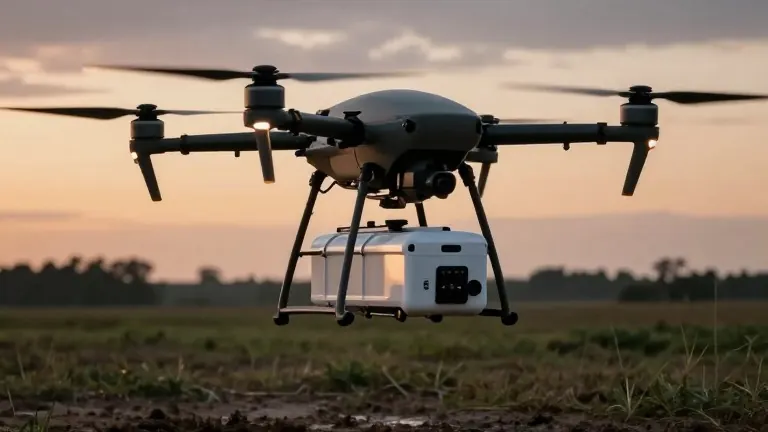
Ukrainian forces pulled two injured soldiers from a contested area using a large cargo drone, a tactical shift driven by the failure of traditional ground evacuations. The 475th Separate Assault Regiment, also known as CODE 9.2, conducted these missions over a one-week period. The unit relied on the StarGate, a remotely operated aircraft built for medical transport, to retrieve fighters who were trapped in difficult terrain near the Russian border.
The two rescued soldiers, Yevhen, alias Izium, and Artem, alias Kolobok, were aged 25 and 24, respectively. Both suffered severe limb injuries while positioned in the grey zone, roughly 5 km from the Russian line. The unit stated that water obstacles and the constant threat of enemy first-person-view drones made moving the men on foot impossible. Aerial extraction was the only viable option to keep them alive.
The military coordinated the operations with SkyFall, the manufacturer of the StarGate drone. Planning required a week of preparation involving fire support and synchronization with other branches of the Ukrainian defence forces. Heavy Vampire attack drones were deployed to suppress Russian positions, creating a window for the evacuation flights. This logistical complexity underscored the challenge of integrating new aviation assets into active combat zones.
During one mission, the StarGate flew nearly 30 km to reach the injured serviceman and then traveled the same distance back with him on board. Russian forces actively used electronic warfare systems in the operational area to disrupt satellite navigation signals. The drone’s AI-based navigation system allowed it to maintain its course despite the loss of GPS data, completing the round trip without deviation.
The StarGate aircraft has a maximum range of 30 km and a top speed of 105 km/h. It can carry a payload of up to 150 kg. For casualty evacuation, the drone is fitted with a dedicated medical capsule that includes a stretcher. The system is designed to function independently of external satellite support when electronic interference is present.
Oleksandr "Flint" Nastenko, the regiment’s commander, said the recent experience will help the unit form a dedicated medical aviation branch. This new unit will specialize in air evacuations of wounded troops. On October 19, the military also reported a separate first-time drone evacuation using a craft made by Gurzuf Defence.
The regiment is now using data from these tests to structure its future medical operations. The StarGate drone was handed to the military for frontline testing after SkyFall developed it for personnel evacuation. The unit’s reliance on AI-guided flight paths marks a distinct departure from standard rotary-wing medevac protocols in the current conflict.
Source: Ukrainska Pravda