Amazon Ditches AI Plans, Builds Homes
The tech giant has abandoned its four-facility data center project in Loudoun County, opting instead for residential development and community amenities.
By Joseph Jenkins ·
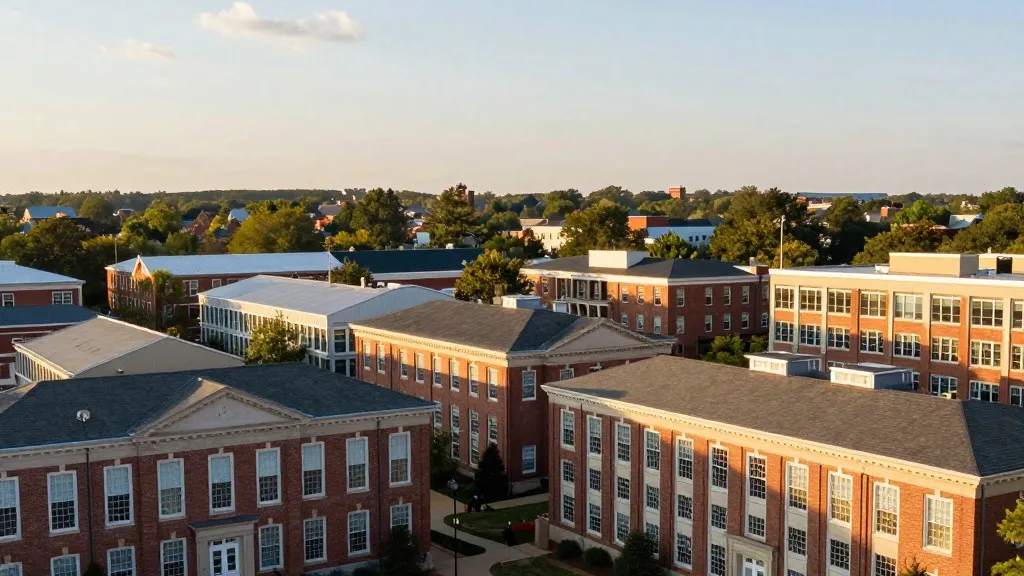
Residents of Loudoun County, Virginia, can breathe a little easier this week. The massive AI infrastructure projects that were slated to occupy a sprawling 122-acre parcel just outside Washington, D.C., are officially off the table. In a significant shift for the region, Amazon has scrapped its plans to construct four new data centers on the former George Washington University campus. Instead, the company will repurpose the majority of the land for mixed-use and residential developments, directly addressing local concerns about noise and energy consumption.
The deal includes a substantial community investment. Amazon is donating 25 acres of the property to Loudoun County. This land is earmarked for a new community arts center and a recreational facility. Additionally, the tech giant is contributing $5 million to the county’s housing fund. These concessions appear designed to smooth over the friction that arose when the company first submitted its proposal in July. The site, located in a region already known as "Data Center Alley" for having the highest concentration of such facilities on Earth, had become a flashpoint for local opposition.
Loudoun County has been grappling with the physical toll of its status as a global hub for cloud computing. Residents voiced serious concerns regarding the noise generated by the servers and the immense power draw required to keep them running. These local sentiments have forced a change in how the county approaches new buildouts. In September, Phyllis J. Randall, the Chair of the Loudoun County Board of Supervisors, met with Amazon representatives. During that discussion, officials suggested that the company might find a better use for the land than the originally proposed server farms.
Josh Weissman, Amazon’s vice president of data center development, acknowledged the community’s resistance. He noted that the company initially saw the former university campus as an ideal opportunity. However, he admitted that the firm weighed the county’s specific worries about development at that particular location. "While we see the property’s legal development potential differently than the County does, we concluded that the best outcome for all is to come together on a shared vision for this campus rather than engage in costly litigation," Weissman stated. This decision avoids a potential legal battle that could have delayed the project’s resolution for years.
The pivot comes at a critical time for the AI industry. The surge in artificial intelligence applications has dramatically increased the demand for larger, more powerful data centers. Yet, this boom has intensified opposition from local communities who fear rising electricity prices and environmental strain. Issues such as water shortages and deforestation are becoming central to the debate over where these facilities should be built. The tension between the need for compute power and local livability is reshaping the landscape of tech infrastructure.
National attention has also turned to the energy costs associated with these centers. Just days before this announcement, President Donald Trump urged data center builders and major AI companies to compensate local communities for energy-related price increases. In a social media post, he proposed that these facilities should not only generate their own electricity but also sell excess power back to the local grid. This federal push highlights the growing scrutiny on the energy footprint of the tech sector.
Local officials are framing the Amazon decision as a triumph of negotiation over conflict. Randall emphasized the benefits of open communication, stating that the agreement creates new spaces for residents to gather, create, and play. She highlighted the housing component as a priority, noting that the deal will provide more attainable homes for working families. For a county where housing costs have been a persistent pain point, the addition of new residential units is a tangible win for everyday residents.
This outcome illustrates a broader trend in Northern Virginia. As the region reaches its limits on power grid capacity, the era of unchecked data center expansion may be coming to an end. Communities are no longer just passive hosts for tech infrastructure; they are active stakeholders demanding tangible benefits in return. The Loudoun County agreement sets a precedent for how future tech developments might be negotiated, balancing corporate growth with local quality of life.
Source: Tom's Hardware · original report published
More Business · Buyer Beware · Report a business · Got a Story?