Apple's Original iPod Marks 25 Years of Portable Music Revolution
Two decades and a half ago, a pocket-sized device with five gigabytes of storage changed how consumers carried their favorite songs.
By Chloe Kapoor ·
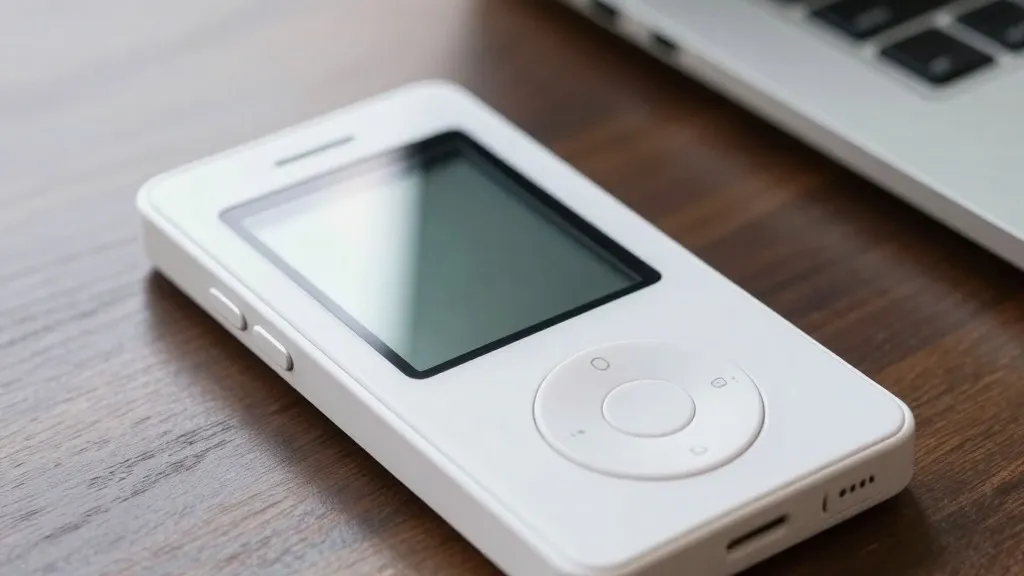
Apple unveiled the original iPod on this day in 2001, introducing a device that promised to fit a thousand songs into a package no larger than a deck of cards. The launch marked a pivotal moment for the technology company, which had recently navigated a period of financial difficulty following the burst of the dot-com bubble. By the time of the release, the firm had established itself firmly in the Mac OS X era with successful products like the iBook and iMac. The new player was positioned not just as a gadget, but as a central component in a broader digital lifestyle strategy led by then-CEO Steve Jobs.
Jobs presented the device as a breakthrough that was not a Mac, yet it was designed to work seamlessly with the company’s computers. He argued that the Mac would serve as the hub for all digital media, including cameras, camcorders, and DVD players. The music player represented the first step in this vision, targeting a massive market that lacked a clear leader at the time. While competitors such as Sony and Creative Technology offered portable options, Jobs argued that none had found the right formula for digital music consumption.
The core selling point of the device was its capacity. With five gigabytes of storage, the player could hold approximately 1,000 typical pop songs encoded as MP3s at 160 kbps. This volume was sufficient for most users to carry their entire music library in their pocket. The hardware was made possible by a new 1.8-inch hard drive from Toshiba, which was both ultra-compact and thin enough to allow for a sleek form factor. The physical dimensions of the player measured 2.4 by 4 by 0.78 inches, and it weighed just 6.5 ounces, making it lighter than most cell phones of that era.
Beyond storage, the device featured advanced connectivity and performance capabilities. It utilized a FireWire 400 cable for both data transfer and charging, a feature that set it apart from other players on the market. Jobs claimed this connection allowed for a full CD of music to be transferred in as little as five to ten seconds. In contrast, USB connections of the time required about five minutes for the same transfer. Filling the entire device with 1,000 songs took an estimated 10 minutes via FireWire, compared to five hours for a USB-based player. The device also included a 20-minute skip protection feature to ensure uninterrupted playback.
The user interface was designed for ease of use with a single hand. The player featured a scroll wheel with a piezoelectric clicker that provided tactile feedback, allowing users to navigate playlists, artists, and songs quickly. Jobs demonstrated the interface on stage using a track by Sarah McLachlan. The design was described as minimal and durable, with a focus on the legendary Apple aesthetic. A rechargeable lithium-polymer battery provided 10 hours of continuous playback and could be recharged to 80 percent in one hour.
The launch of the hardware coincided with the release of iTunes 2, which introduced new features such as MP3 CD burning. A key innovation was the Auto-Sync feature, which ensured that music libraries curated on a Mac were automatically synchronized with the portable player during charging or data transfer. This integration solidified the connection between the desktop computer and the mobile device. The iPod also functioned as a FireWire hard drive, further integrating it into the computer ecosystem.
The original iPod began a product line that would dominate the portable music market for over a decade. It coexisted with the iPhone, which launched in early 2007, for several years. However, the rise of smartphones eventually rendered dedicated music players redundant. The final model in the line, the seventh-generation iPod Touch, was released in May 2019. Although the product line was left unmaintained for a period, Apple officially discontinued the iPod in May 2022. Twenty-five years later, the original device remains a landmark in consumer electronics history.
The legacy of the 2001 release continues to influence how consumers expect their technology to function. The emphasis on seamless integration, user-friendly design, and sufficient storage for personal media libraries has become a standard in the tech industry. The device transformed music from a fixed collection on a shelf into a portable, personal experience. Its introduction signaled a shift in how people interacted with their digital content, a shift that continues to evolve with each new generation of technology.
Source: Tom's Hardware · original report published