
Australia Moves to Ban AI Chatbots That Foster "Emotional Intimacy" With Children
The government has accepted amendments to its digital duty of care bill targeting chatbots that simulate emotional closeness, even as pressure grows for an independent complaints watchdog for big tech.
By Joseph Jenkins ·
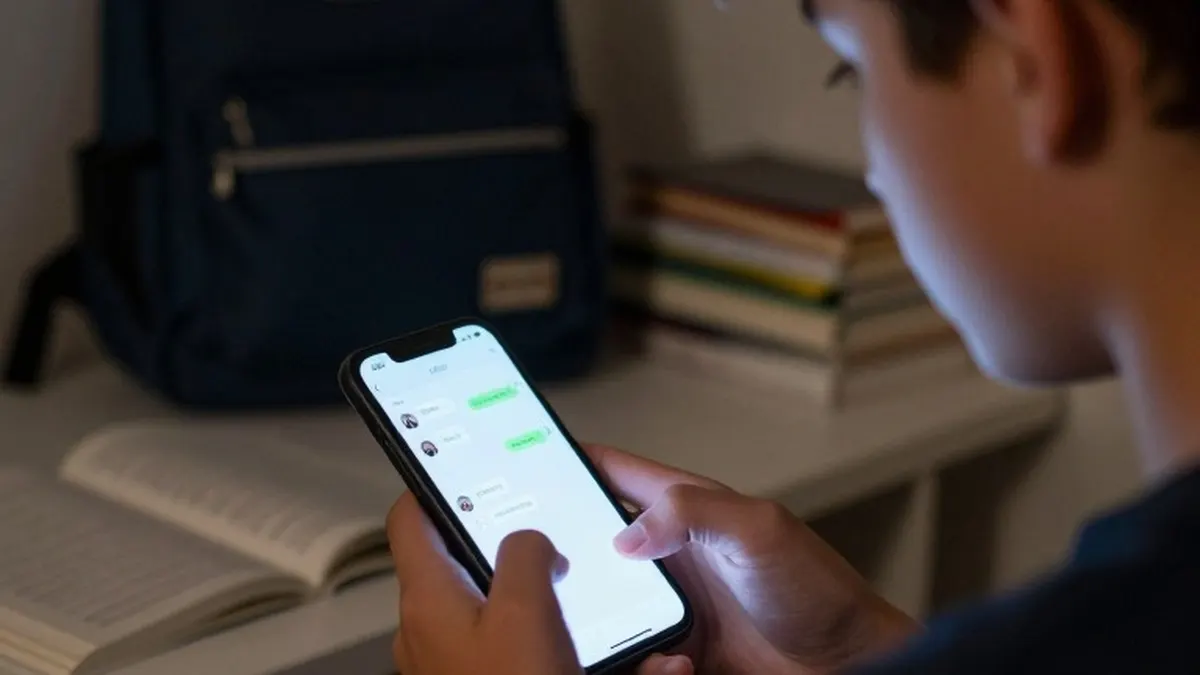
The Australian government wants to prohibit AI chatbots that try to build "emotional intimacy" with users, after Prime Minister Anthony Albanese warned in an emotional speech that children are coming to regard such programs as their "best friend".
The digital duty of care bill passed the House of Representatives on Wednesday and will be debated in the Senate in the coming weeks. The government hopes to have it law by the end of 2026, though its path through the upper house is uncertain. The Greens back the bill, while the Coalition has said it will vote against it. Labor still appears keen to win over the opposition and says it is open to amendments.
The framework would set new online safety standards for social media, games, apps and chatbots. Labor says it would impose "an overarching obligation" on platforms to provide a safe online environment for all Australians, and would replace a number of existing online codes and standards with a broader duty of care to protect users from certain harmful content. Social media services would also have to offer users an opt-out from their algorithm and suggested content.
Communications Minister Anika Wells has indicated that material promoting misogyny, terrorism, suicide, self-harm and eating disorders would be covered. On Wednesday the government accepted amendments from crossbench MP Kate Chaney that add certain chatbot activity to the list of harms. Platforms would have to ban "material or conduct that simulates emotional intimacy and encourages or fosters a child's dependence on it in place of human relationships". A second Chaney amendment requires algorithm opt-out tools to be "accessible, easy to use" and "prominently available", responding to concerns that tech giants might offer only small or hard-to-find options.
Speaking in Parliament on Tuesday night, Albanese again urged the Coalition to consider supporting the bill. He said stories of people identifying a chatbot, "a non person", as their best friend "should be a huge wake up call for every member of this Parliament to be prepared to act".
The opposition and One Nation voted against the bill in the House. Opponents have accused Labor of creating an "Orwellian" system of "censorship" and of trying to influence online conversations, claims Wells strongly denied. "If they really care, the test is simple here, they should bring an amendment, not a slogan to 'kill the bill'," she told ABC radio.
Labor also faces pressure to give the telecommunications industry ombudsman a watchdog role over social media and AI. Independent MP Sophie Scamps proposed expanding the ombudsman's remit so that ordinary users could seek remedies, including compensation, when accounts are hacked or inaccessible, and so that the body could investigate wider problems and name and shame companies behaving badly. Labor rejected the amendment in the lower house, and Wells declined to back the idea.
The Greens plan to push for the reform in Senate negotiations. They have set up an inquiry into the laws, due to report in late November. Senator Sarah Hanson-Young said Australians need "an external complaints pathway, free from the profit-driven whims of 'big tech's' content moderation". The party also wants people to have a right to take private legal action against platforms, and higher penalties.
Telecommunications industry ombudsman Cynthia Gebert said her office is well placed to take on the role and that it could be funded by big tech, as such schemes are paid for by the industries they cover. She welcomed the bill's focus on platforms making services safe, but warned that without somewhere to take unresolved complaints, Australians risk being left with "automated responses or escalation procedures that don't go anywhere". She urged the government to make participation mandatory for big tech, and noted that while the ombudsman can help with a Telstra account, "we can't help with your Gmail account".
Source: The Guardian