Federal Courts Allow Justice Department to Challenge Evanston Reparations
A federal judge permitted the Trump administration to join a lawsuit arguing that Evanston's $25,000 housing grants for Black residents violate equal protection laws.
By Chloe Kapoor ·
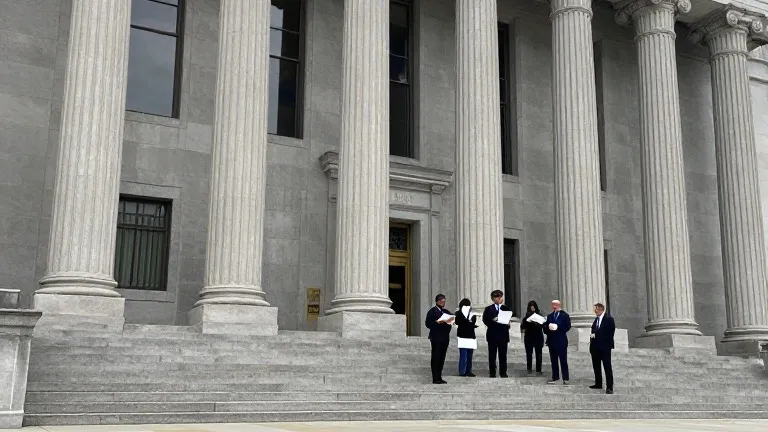
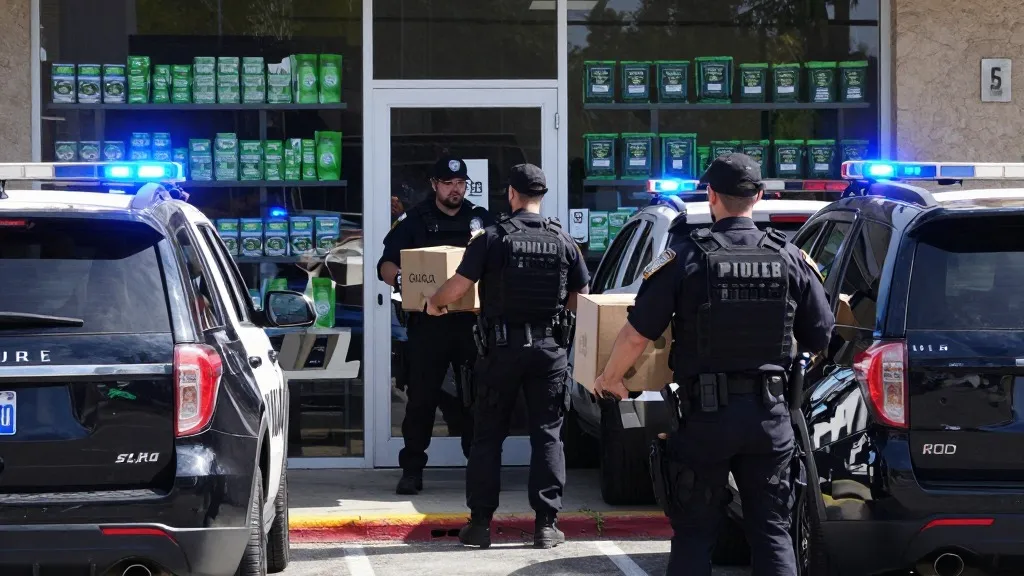
The Justice Department can now directly challenge Evanston, Illinois, reparations program in federal court after a judge approved its intervention. The department alleges that the city's distribution of $25,000 housing grants to Black residents violates the 14th Amendment's equal protection clause and the Fair Housing Act.
The legal action targets the nation's first municipal reparations program. The initiative, which has been active since 2019, provides funds to residents whose families were harmed by discriminatory housing policies. A lawsuit originally filed by Judicial Watch claims the city distributes money based on race without identifying specific harms.
Michael Bekesha, the attorney representing the plaintiffs, stated that the Constitution prohibits governments from choosing winners and losers based entirely on race. Justice Department spokeswoman Kiersten Pels added that race-based government benefit programs are unconstitutional and often conflict with federal civil rights law.
The federal push follows a warning letter sent last year to leaders in Asheville and Buncombe County, North Carolina, who were considering similar local measures. This legal strategy aligns with the administration's wider effort to limit federal support for race-based initiatives during the nation's 250th anniversary year.
Robin Rue Simmons, who chairs Evanston's Reparations Committee, has worked for years to design the current grant system. She is now assisting more than 100 other communities in implementing similar reparations programs. Simmons described federal redress as a collective goal despite the current administrative barriers.
The debate over reparations is occurring alongside global discussions on historical justice. In March, the United Nations General Assembly passed a resolution calling the trans-Atlantic slave trade the gravest crime against humanity. More than 120 countries supported the measure, while the United States voted against it alongside Argentina and Israel.
Historians note that the trans-Atlantic slave trade forced an estimated 12.5 million Africans onto ships bound for the Americas. Approximately 1.8 million did not survive the voyage, and roughly 388,000 were taken to what is now the United States. William Darity, a co-author on reparations, observed that no president has previously supported comprehensive Black reparations.
President Donald Trump addressed the issue in a September speech, telling supporters that they want to steal money for reparations and that the effort is going nowhere. The administration's stance has prompted some institutions to reconsider or pause their own reparations initiatives, though some programs continue to provide direct financial support to descendants of enslaved people.
Source: KSAT 12
More Politics · Georgetown news · Report a business · Got a Story?