Judge Trump Once Sought to Impeach Now Weighs Sealed Warrant in Omar Case
Chief Judge James Boasberg is deciding whether to reveal details of the search of Rep. Ilhan Omar's home, a case that has drawn sharp criticism from the White House.
By Elizabeth Morales ·
A federal judge who has clashed repeatedly with President Donald Trump is now deciding whether to reveal the search warrant used in the investigation of Representative Ilhan Omar. The legal dispute centers on whether the document, used to search the Minnesota Democrat's Washington, D.C. home on Oct. 12, should be unsealed for public review.
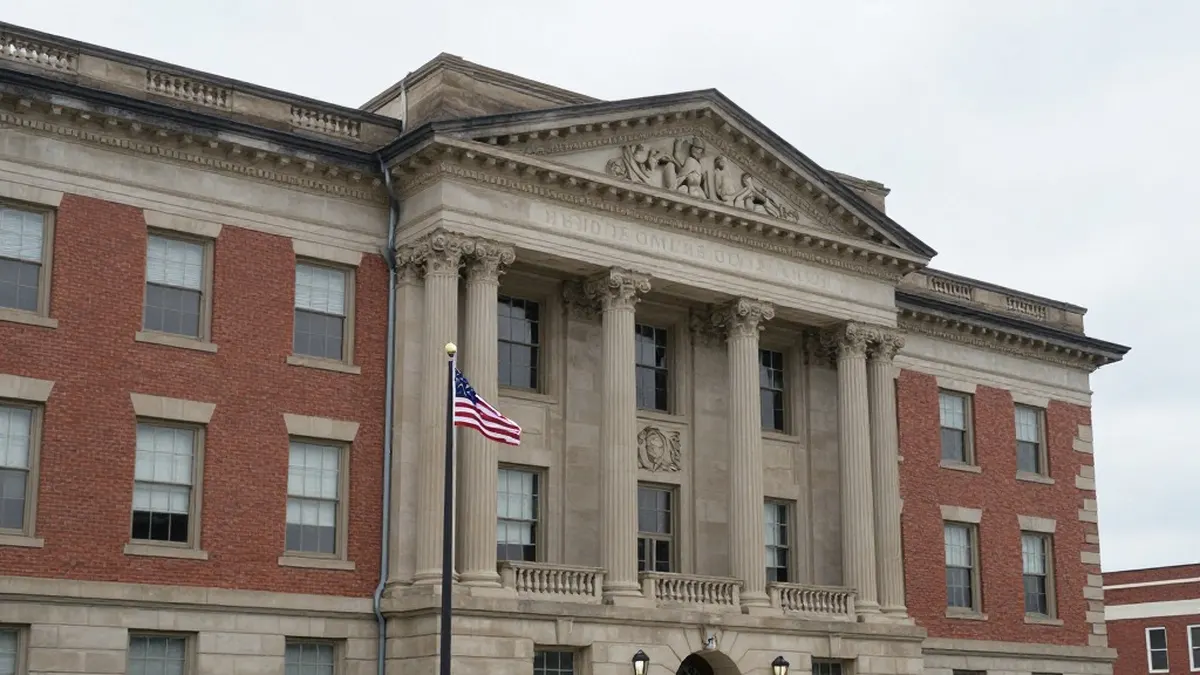
Chief Judge James Boasberg of the U.S. District Court for the District of Columbia is presiding over the case. Boasberg, an appointee from the Obama administration, has been a frequent target of the president's criticism. In March 2025, after Boasberg temporarily blocked deportation flights, Trump labeled him a "Radical Left Lunatic of a Judge, a troublemaker and agitator" and urged his impeachment. The president also claimed it was "virtually impossible for me to get an Honest Ruling in D.C."
The warrant was issued by U.S. Magistrate Judge Matthew Sharbaugh and executed by the FBI and Homeland Security Investigations. The search occurred during two separate federal investigations involving Omar. One inquiry examines discrepancies between financial disclosures filed a year apart. The other looks at whether Omar's father misstated her age on his 2000 citizenship paperwork. Omar arrived in the United States from Somalia in 1995 at age 12. Investigators are reviewing if this error allowed her to obtain citizenship through her father as a minor.
Trump, a longtime critic of Omar, alleged she committed immigration fraud by marrying her brother, a reference to her first husband, Ahmed Nur Said Elmi. In the weeks following the Oct. 12 raid, the president said she should be "put in jail." The search took place just weeks before the midterm elections, amid political pressure over fraud in Minnesota social services programs.
Within days of the search, three separate requests to unseal the warrant were filed. The New York Times, the conservative watchdog group Judicial Watch, and 14 other press organizations all asked the court to make the document public. Boasberg told the Justice Department to defend its position on keeping the warrant sealed by Oct. 22. He later extended that deadline after the department asked to wait until the warrant was "fully executed."
The Justice Department argued that early disclosure could compromise the integrity of the investigation. Attorney General Pam Bondi's office, represented by Deputy Attorney General Todd Blanche in prior filings, has maintained that the case is sensitive. Judge Lourdes M. Flanagan, who handled a related matter, wrote, "This request sounds rash because it is rash," urging the court to reject it without prejudice for renewal after a charging decision is made public.
The filing suggests the department is still executing the warrant, with many details about the investigation and records remaining redacted. The media groups counter that the physical search took place weeks ago and that sensitive material should be redacted rather than the entire warrant withheld. Omar's attorneys are engaged in a separate dispute with the Justice Department, demanding the return of property taken from her home.
Omar's legal team argues that agents violated protections for her congressional work. They also allege that agents did not provide her with a copy of the warrant and prevented her from contacting her lawyers during the search. Boasberg's current role follows several rulings that drew criticism from Trump and his allies. In June 2025, he ordered federal agencies to preserve Signal messages exchanged by senior officials discussing U.S. military strikes in Yemen.
During the Biden administration's Arctic Frost investigation, Boasberg signed nondisclosure orders that barred phone carriers from telling Republican lawmakers that prosecutors had subpoenaed their records. He also faced criticism for sentencing former FBI attorney Kevin Clinesmith. Clinesmith pleaded guilty to altering an email used in an application to renew surveillance of Carter Page, a former Trump campaign adviser.
Boasberg, who previously served on the Foreign Intelligence Surveillance Court, said the alteration undermined the court's integrity but was a misguided mistake that gave Clinesmith no personal benefit. He imposed 12 months of probation and 400 hours of community service, noting that Clinesmith's central role in a years-long media "hurricane" had already served as sufficient punishment.
Source: Fox News
More Politics · National news · Report a business · Got a Story?