NASA reveals estimate of 22 Starship launches for lunar mission
A recent safety panel presentation suggests the Artemis program may require significantly more propellant transport flights than previously anticipated.
By Elizabeth Morales ·
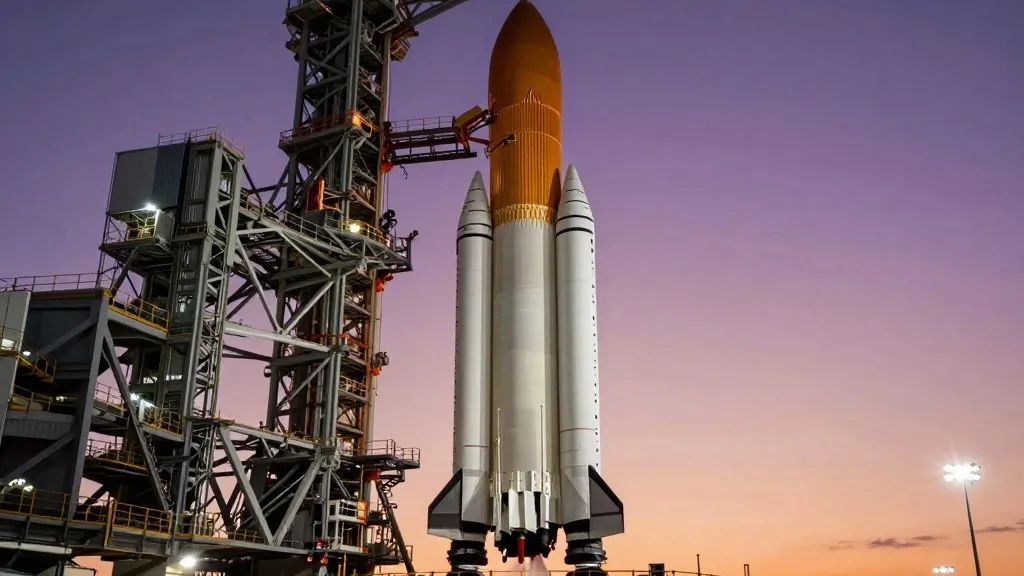
A new internal assessment suggests that NASA may require twenty-two Starship launches to support a crewed lunar landing, a figure that marks a sharp departure from earlier projections. This estimate surfaced during the quarterly meeting of the NASA Aerospace Safety Advisory Panel held this week. Panel member Charlie Precourt, a former NASA astronaut, discussed the risks associated with the Artemis Program and the specific challenges of landing humans on the Moon. The disclosure signals a shift in how the agency views the logistical demands of its flagship space exploration initiative.
The number of launches required to fuel a Starship-based lunar lander in low-Earth orbit has long remained a closely guarded secret within NASA. The agency has historically treated this metric with unusual caution, often responding to inquiries with the explanation that the exact figure is uncertain. This opacity has led to speculation that the number is a moving target, adjusted as engineering realities evolve. The reluctance to pin down a precise count has characterized the agency's public communications on this critical aspect of the Artemis architecture for several years.
In previous years, NASA officials offered more vague ranges that suggested a lower launch count. In 2023, Lisa Watson-Morgan, then-director of the Human Landing System, told Ars Technica that the agency had a general idea but was reluctant to state it precisely. She later indicated the number fell in the range of high single digits to low double digits. This phrasing implied approximately a dozen launches, a figure that already represented a substantial logistical effort for SpaceX.
That earlier estimate assumed SpaceX would launch one depot Starship and eleven tanker Starships to fully load the depot with liquid oxygen and methane propellant. Other officials at the time referenced the high teens as a possibility. The underlying hope was that SpaceX would dramatically improve the lift capacity of the Starship vehicle, thereby reducing the number of tanker flights needed. However, concerns are growing among some NASA officials that this improvement may not occur soon enough for Starship to play a meaningful role in returning humans to the Moon within this decade.
The new estimate of twenty-two launches underscores the complexity of the propellant transfer process. It suggests that the initial assumptions about vehicle performance or the number of tanks required may have been overly optimistic. For California-based readers, this development highlights the continued reliance on SpaceX's infrastructure for national space goals. The shift from a potential dozen or so flights to over twenty indicates a significant scaling of the operation in low-Earth orbit.
Reactions to the new number are still emerging, but the tone among safety experts appears cautious. The presentation by Precourt focused on the risks inherent in these repeated launches and the subsequent orbital operations. The panel's discussion serves as a reality check for the broader Artemis timeline, suggesting that the path to a crewed lunar landing is more arduous than earlier public statements implied. The agency has not yet released a formal statement confirming the number as its official planning figure.
What happens next depends on how NASA and SpaceX integrate this new data into their long-term planning. If the twenty-two launch figure holds, it will likely influence the schedule for Artemis missions and the deployment of infrastructure in orbit. The coming months will reveal whether the agency adjusts its public targets or continues to guard the specific details while working behind the scenes to meet the logistical demands of a lunar return.
Source: Ars Technica · original report published