Ohio volunteer group pushes statewide ban on large data centers
Conserve Ohio is collecting signatures to place a constitutional amendment on the 2027 ballot, following local ballot measures in ten communities.
By Joseph Jenkins ·
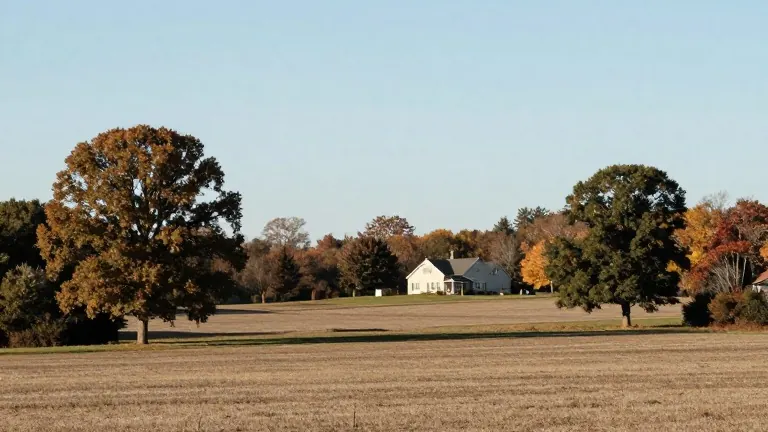
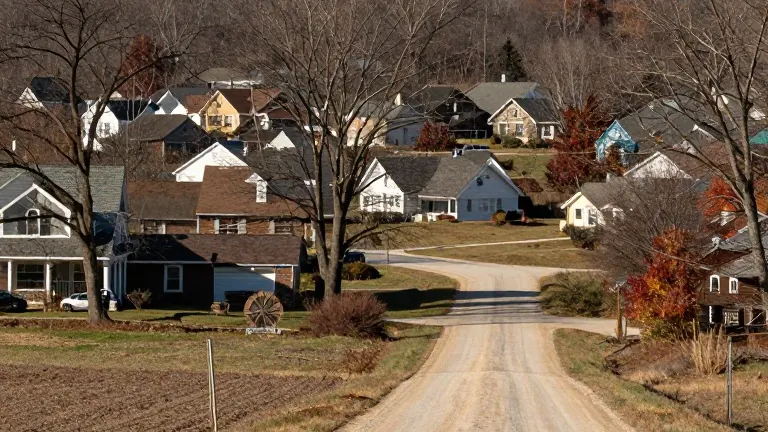
Nick Owens, a lifelong Republican and small-town attorney in Mt. Orab, Ohio, is leading a volunteer effort to restrict the construction of large data centers in the state. He first became involved after property records revealed that a data center developer purchased 1,000 acres of farmland and trees in the rural area in 2024 and 2025. The property sits adjacent to residential neighborhoods, raising concerns among local residents.
Owens joined forces with a local attorney and a real estate agent who shared his concerns. Together, they formed Conserve Ohio, a group of Democrats, Republicans, and Independents active in nearly all 88 counties in the state. The coalition aims to preserve what Owens describes as the rural way of life against what he calls a "hyperscale data center invasion."
This fall, the group is supporting ballot initiatives in ten communities. These measures would amend local charters to prohibit the construction of large-scale data centers, specifically those used to power artificial intelligence. This approach goes beyond the temporary moratoriums adopted by hundreds of municipal and county governments across the country.
Conserve Ohio is also pursuing a state constitutional amendment to ban large-scale data centers statewide. The group is collecting signatures to put the measure before Ohio voters in 2027. Owens argues that local politicians often promise community input without delivering concrete results. He hopes the ballot initiatives will provide a direct answer to whether residents want these facilities nearby.
Tech companies have built data centers in Ohio for over a decade, drawn by inexpensive land, energy infrastructure, and tax breaks. While these projects generate tax revenue, school funding, and jobs, residents often oppose the noise, emissions, and secrecy associated with the construction. Owens points out that hyperscale facilities require new power plants, adding to local pollution.
The issue has become a major topic in the upcoming midterm elections. Former Democratic Senator Sherrod Brown has labeled his opponent, incumbent Republican Senator Jon Husted, as "the face of data centers." Brown cites Husted’s past support for tech investments in Ohio. Husted has countered by accusing Brown of hypocrisy and introduced a bill in Congress to make data centers pay for power grid upgrades. Senate Democrats blocked that bill, describing it as ineffective.
Linda Moodie, an independent volunteer for Conserve Ohio, does not trust that statewide candidates will act on data center concerns without a mandate from voters. She collects signatures at public events, such as a recent celebration in Fairfield, Ohio. She observes that residents are more engaged the more directly the issue affects their neighborhoods.
In Mt. Orab, a Republican stronghold that voted 80 percent for President Trump in 2024, campaign yard signs are noticeably scarce. Owens suggests that the data center issue, along with high diesel prices, has dampened Republican enthusiasm for the midterms. He notes that the area remains quiet, with no construction yet visible on the 1,000-acre site.
President Trump has recently defended data centers on his social media platform, arguing that communities that reject them risk becoming backward and poor. Owens calls these comments "tone deaf," stating that residents simply want to maintain their existing lifestyle. For now, the Mt. Orab site remains silent, with the future of the development still uncertain due to nondisclosure agreements.
Source: NPR