Iranian Director Jafar Panahi Sentenced to Five Years in Absentia
The Cannes winner faces prison time and asset seizure despite not being present at the hearing, with his lawyer citing a lack of prior notice.
By Chloe Kapoor ·

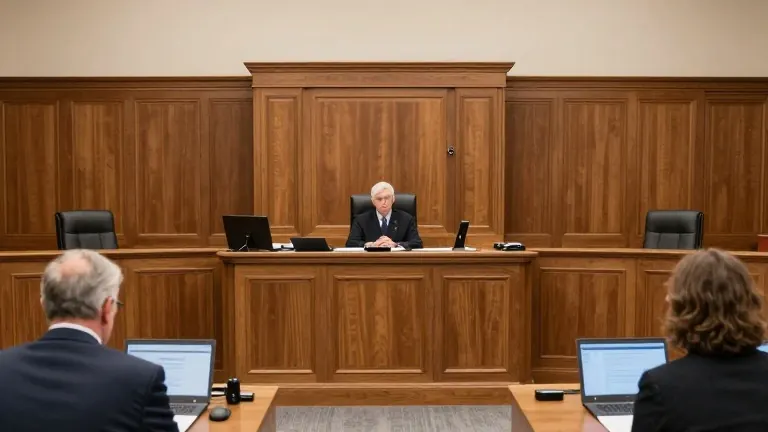
Jafar Panahi, the 66-year-old director who won the Palme d'Or last year, will serve a new prison sentence of five years and one month if he returns to Iran. The court also ordered the confiscation of all his personal assets. His lawyer, Mostafa Nili, confirmed the ruling was issued in his client’s absence. Nili added that the court imposed a two-year travel ban and a two-year ban on using social media platforms.
The specific charges behind this new sentence are not yet public. Panahi returned to Iran in March from a trip to promote his recent film, It Was Just an Accident. He entered the country despite holding a prior sentence of one year for propaganda activities against the system. That earlier ruling was also handed down in absentia. According to Nili, Panahi currently has three separate legal cases open. The lawyer stated that he did not know the date of the latest hearing until his client’s bank accounts were frozen last week.
Legal experts question the validity of the asset seizure. Moein Khazaeli, a human rights lawyer at the Dadban legal counseling center, noted that the action could violate Iran’s constitution. He explained that the authorities must establish a clear legal connection between the property and the alleged offense to justify the seizure. Without that link, the confiscation may stand as an arbitrary measure rather than a standard judicial penalty.
Panahi was not physically detained at the time of the sentencing. A European-based activist who spoke with the director on Monday evening reported that Panahi remained free. The director had previously warned that Iran’s current cycle of violence makes it difficult to stop the momentum of repression. He made that comment while in the United States earlier this year.
The ruling has drawn criticism from other figures in the film industry. Setareh Maleki, an actor in exile, stated that the sentence shows how deeply the government fears storytelling. Nazanin Boniadi, an Iranian-British actor, called the move another attempt to silence a courageous artist. An unnamed filmmaker currently working inside Iran suggested the sentence links to Panahi’s public support for unity during the January protests and his backing of diverse voices, including those of Reza Pahlavi.
A recent report from the Center for Human Rights in Iran indicates a rising trend in legal actions against cultural figures. The organization documented that authorities are increasingly using the security and judicial systems to suppress artists, writers, and musicians. This places them in the same coercive framework used against other dissenters in the country.
Panahi’s legal team is reviewing the next steps in the case. The specific timeline for executing the asset confiscation order has not been disclosed by the court. The director remains in Iran while his lawyers challenge the procedural details of the hearing.
Source: The Guardian