Rubio Calls on Cubans to Partner With CIA Amid Rising Tensions
The U.S. Secretary of State has urged citizens on the island to collaborate with American intelligence agents as economic pressure intensifies.
By Elizabeth Morales ·
For many residents of Cuba, the path to political engagement with the United States has become more direct. Secretary of State Marco Rubio issued a public call on Friday, encouraging islanders who desire positive change to form a discrete partnership with the Central Intelligence Agency. This move marks a significant escalation in the Trump administration's efforts to dislodge the current Cuban government from power.
The invitation was shared on the social platform X, where Rubio highlighted the widespread frustration caused by broken promises, systemic corruption, and the privileged lifestyles of a small elite. He framed this moment as a critical opportunity for citizens to seize control of their future through a specific channel of communication with U.S. intelligence services. The CIA quickly amplified the message by reposting the appeal in both English and Spanish, accompanied by a video detailing the precise steps for making contact.
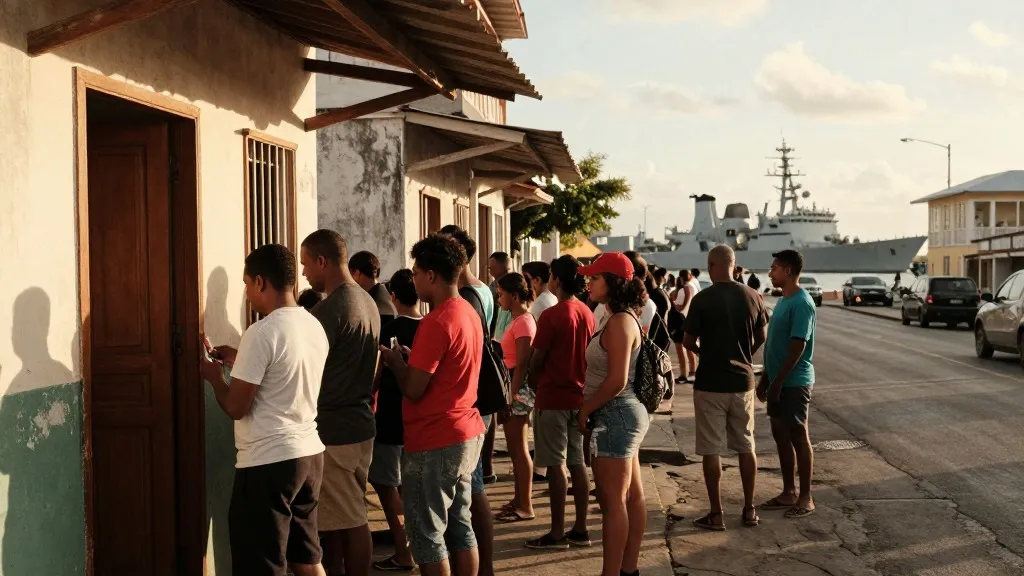
This diplomatic push arrives against a backdrop of severe economic hardship on the island. Strict U.S. embargoes and sanctions have driven up the cost of basic necessities, leaving many families struggling to afford food and healthcare. Reports indicate that citizens are spending hours in long lines just to buy bread, while others face similar waits to see a doctor. The shrinking access to medical care has added to the daily strain on working families who are trying to maintain stability.
Economic pressure on Havana has intensified further in recent weeks. Last week, the U.S. government announced new sanctions targeting Cuba's state-run bank, citing its financial ties to Iran. These measures aim to tighten the noose around the island's economy, forcing the communist government to respond to the mounting costs of isolation and reduced trade capabilities.
President Donald Trump also weighed in on the situation during a campaign rally in South Florida on Friday. He referenced U.S. Navy warships currently deployed near the Strait of Hormuz, joking that the administration would handle Cuba on the way back from the region. Trump described a hypothetical scenario where one of the ships would stop fifty yards off the Cuban coast, prompting the island's leaders to raise their hands in surrender before Rubio would finalize the deal.
The Cuban government has firmly rejected this rhetorical approach. Foreign Minister Bruno Rodríguez Parrilla responded on X on Friday, stating that the island rejects any threats arising from U.S. ambitions. He noted that while the coastline features beautiful beaches, it is also rugged and inhospitable to those who arrive with hostile intentions and a desire for domination. This response underscores the deepening divide between the two nations as they navigate this latest phase of confrontation.
The situation now hinges on how quickly ordinary Cubans respond to the CIA's open invitation. The administration is betting that internal dissatisfaction will drive citizens to reach out, thereby accelerating the process of political transition. For now, the focus remains on the economic front, where the cost of living continues to rise, and the diplomatic front, where verbal sparring between Washington and Havana shows no signs of cooling down.
Source: CBS News