Syrian Protests Surge After Israeli Strike Kills Disabled Man in South
Massive demonstrations erupted in Damascus and Homs following the death of Moaz, a man with special needs killed during a recent Israeli military operation in Daraa.
By Chloe Kapoor ·
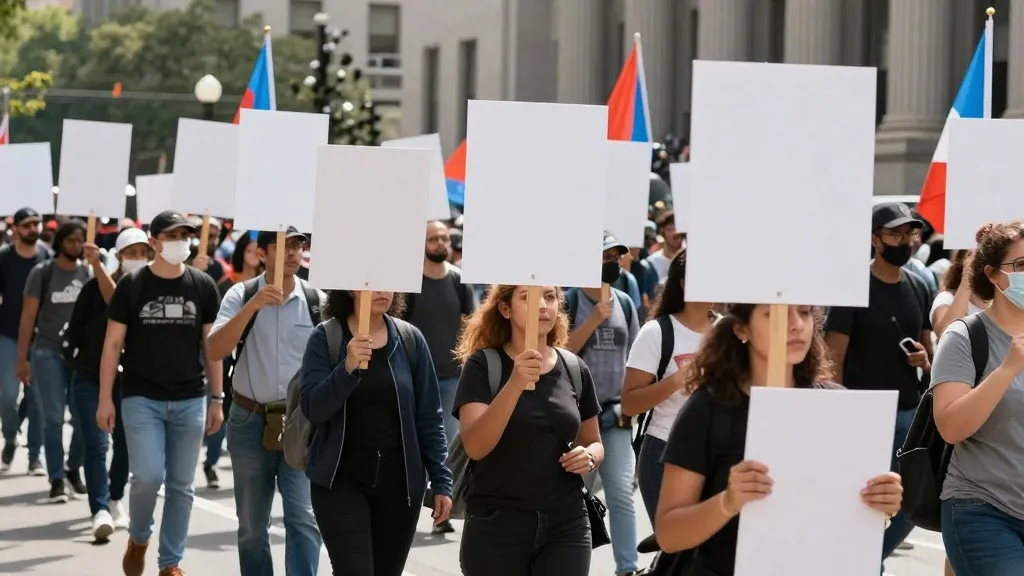
Protests erupted across Syria on Friday as demonstrators demanded an end to repeated Israeli military incursions in the country's south. The rallies were triggered by a recent operation that resulted in the death of a man with a disability, a casualty that has become a focal point for public anger. According to state media reports, significant crowds gathered in the capital, Damascus, and in the central city of Homs to voice their opposition to the ongoing military presence in the southern provinces of Quneitra and Daraa.
An AFP correspondent stationed in the city of Daraa observed hundreds of participants at one of the rallies. Many of the demonstrators were seen waving Syrian flags as they marched. Taysir al-Hariri, a protester at the scene, explained to the agency that the crowds had mobilized to "send a message to the world." He stated that Syria stands united "against Israeli incursions and against anyone who is tempted to tamper. with national security."
Footage broadcast on state television provided a visual record of the sentiment among the marchers. Participants carried posters bearing the slogan "We are all Moaz." This phrase refers directly to the man with special needs who, according to Syrian authorities, was killed by Israeli fire a day prior to the rallies. His death occurred during an incursion in Daraa province and has served as a catalyst for the broader demonstrations taking place this week.
The protests also highlighted the plight of families separated by the conflict. Outside a United Nations building in Damascus, the family of a Syrian man who was seized by Israeli forces gathered to demand his release. The scene was marked by the presence of children who held up posters with the simple, urgent plea: "I want my dad." These personal appeals underscored the human cost of the military actions beyond the immediate battlefield.
State media detailed the military activities on the ground, reporting that Israeli forces advanced into part of Quneitra province on Friday. The incursion involved the blocking of several roads, which disrupted local movement. In the affected areas, Israeli troops have been observed bulldozing olive groves, setting up new checkpoints, and detaining local residents. These actions have intensified concerns about the long-term impact of the military presence on the local population and their livelihoods.
The current situation is part of a broader pattern of military engagement that has characterized the region since the political shift in December 2024. Following the toppling of longtime ruler Bashar al-Assad, the Israeli military has carried out hundreds of strikes within Syrian territory. Frequent incursions have become a regular feature of the landscape, reflecting a sustained military posture that differs from previous eras of relative calm or different tactical approaches.
Israel has also made a significant move into the UN-patrolled buffer zone. This area had served to separate Israeli and Syrian forces on the mainly Israeli-occupied Golan Heights since 1974. The deployment of troops into this specific zone marks a notable change in the geopolitical status quo of the border region, drawing attention to the evolving dynamics of control and security in the area.
Looking ahead, the Israeli government has reiterated its strategic objectives. Officials have vowed to maintain a military presence in a designated "security zone" in southern Syria. This area is intended to be broader than previous demilitarized zones, aiming to create a wider buffer of safety. The commitment to this security zone suggests that the military footprint may remain a persistent feature of southern Syria in the coming months.
For working families in the affected provinces, these developments carry immediate implications for safety and economic stability. The combination of road blocks, detentions, and destruction of agricultural land such as olive groves places direct pressure on local livelihoods. The rallies in Damascus and Homs indicate that these local concerns are resonating with a national audience, linking the fate of the southern provinces to the broader national identity and security of Syria.
Source: Middle East Eye