Ukraine’s Satellite Link Restored After Two Week Slowdown
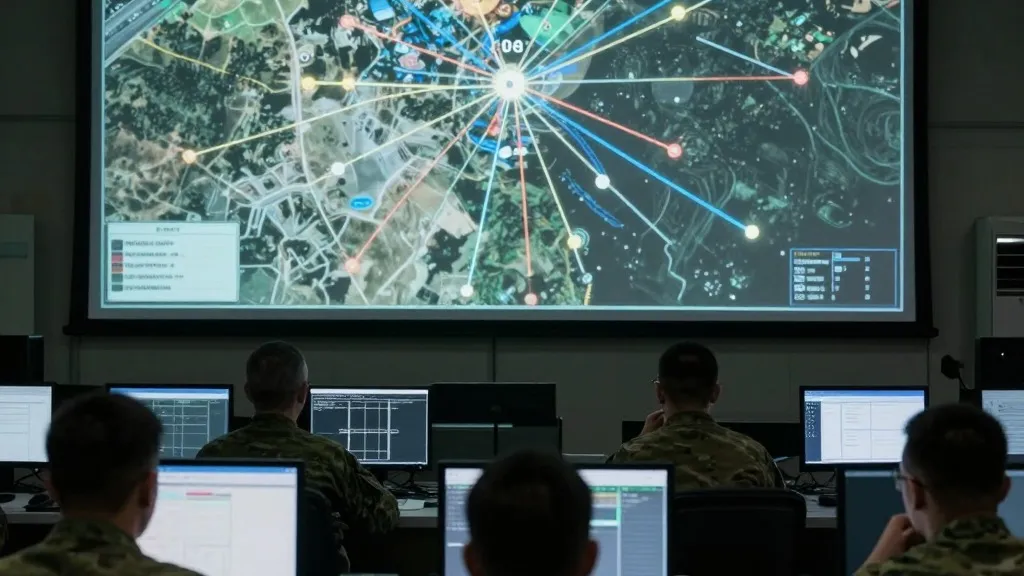
Kyiv confirmed full speed access to the Starshield network, resolving a technical bottleneck that hampered military operations during a period of diplomatic strain.
By Joseph Jenkins ·
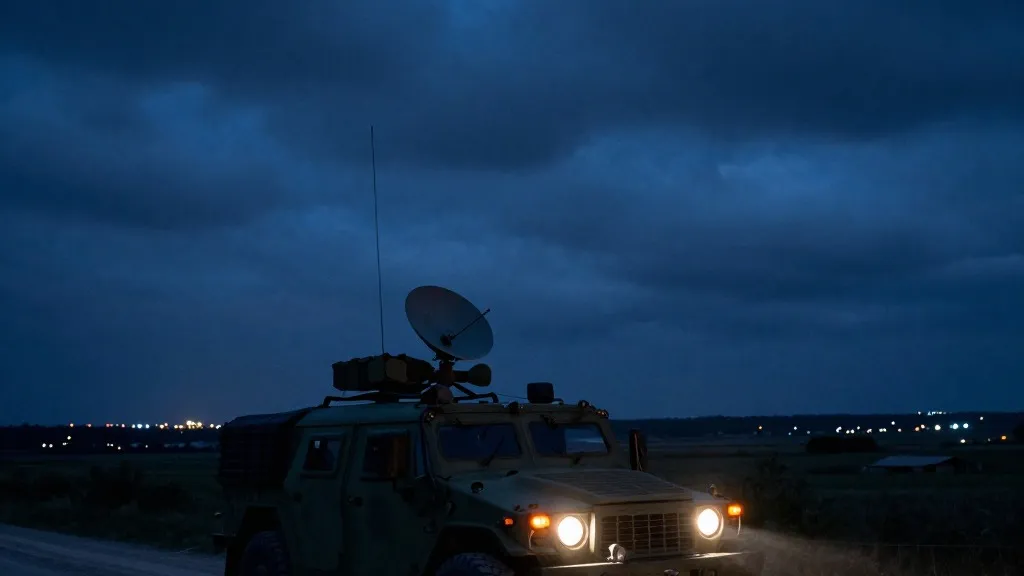
Ukrainian President Volodymyr Zelenskyy confirmed on October 24 that the Starshield satellite network has returned to its standard operating speed. This development ends a frustrating two week period where restricted connectivity severely limited the ability of Ukrainian forces to track targets and manage logistics. The president described the restoration as vital for frontline operations, particularly for countering fast moving jet powered drones.
The issue began when monitoring data showed that satellite links were dropping at speeds around 100 miles per hour. At that rate, drone interceptors and other fast moving equipment lost their connection. This technical bottleneck persisted for nearly fourteen days before Defense Minister Yevheniy Khmara verified that the system could now maintain a signal at speeds exceeding 250 miles per hour. Khmara attributed the fix to direct talks and the president’s persistent advocacy for reliable access.
Questions remain regarding who initially imposed the slowdown. Serhiy Beskrestnov, an adviser on defense technology, hinted at a connection to recent diplomatic friction between Kyiv and Washington, though this link has not been formally proven. The Trump administration has stated that the government controls the military focused Starshield service, with President Donald Trump making final decisions on usage and speed parameters.
Reports from The Wall Street Journal suggested that the US president called Elon Musk to urge the lifting of the restrictions. While Trump declined to offer a detailed comment, he noted that he would resolve any issues that arose. Lawmakers from both major political parties are now seeking clarification on who authorized the changes and are requesting long term guarantees for stable satellite access for Ukraine.
The technical disruption coincided with other US policy moves that Kyiv and its allies viewed as favorable to Moscow. In the past two weeks, the US administration approved a deal to encourage Russian diesel exports and paused certain sanctions. Trump also suggested Ukraine pause attacks on Russian refineries to lower diesel prices, a stance Zelenskyy initially considered before Russian strikes resumed. The president declared that Ukraine was finished with unilateral pauses.
Combat operations continued through the night. Ukrainian air defense units reported destroying 100 of the 130 drones launched by Russia. These attacks struck fifteen different sites and resulted in at least two fatalities. In response, Ukrainian forces targeted two industrial sites and one military airport inside Russia. One facility near Oryol produces components for cruise and ballistic missiles, while another in the Samara region manufactures rubber products essential for solid rocket fuel.
In a separate incident, most of occupied Crimea lost power in the early hours of the morning. Major cities including Sevastopol and Simferopol experienced outages, with mobile network coverage dropping to 40 percent. Russian authorities blamed a drone strike on power lines outside the peninsula, while Ukrainian monitors reported a fire at a substation in Krasnodar that supplies electricity to the region.
Source: RFE/RL