Osasco's service economy swap turns Lula's 2022 stronghold into Bolsonaro's runoff base
Factory closures and a rise in gig work are moving voters away from President Lula and toward Flávio Bolsonaro, with 33 million Brazilians abstaining in the first round.
By Chloe Kapoor ·
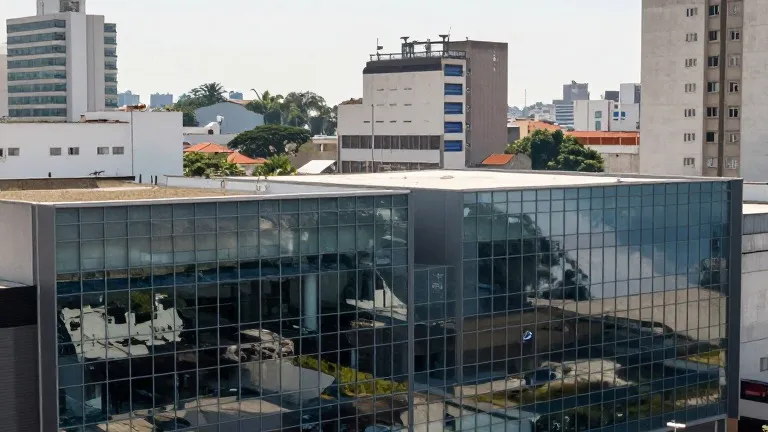
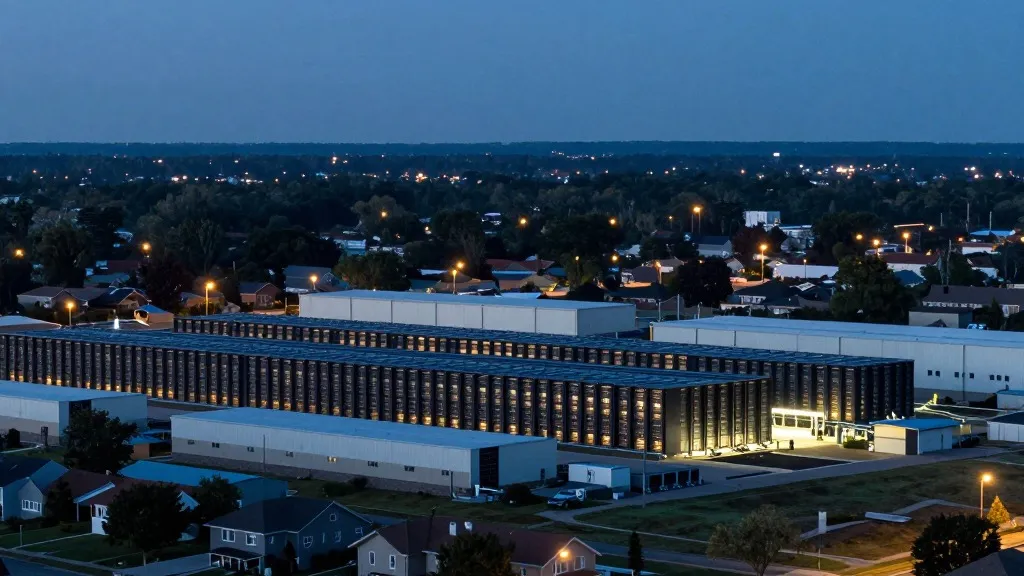
The transformation of Osasco from an industrial hub to a center for retail and delivery services has flipped the city’s political allegiance ahead of Sunday’s presidential runoff. The municipality supported President Luiz Inácio Lula da Silva in 2022 but voted for right-wing candidate Flávio Bolsonaro in this month’s first round. Bolsonaro leads nationally, and every first-round winner since 1989 has secured the presidency.
Local data shows a sharp drop in traditional manufacturing. Gilberto Almazan, a metalworkers’ union leader, notes that metal, chemical, and textile plants have vanished, replaced by five new shopping malls. He describes the local labor force as moving toward what he calls “Uber-isation,” where drivers and couriers prioritize schedule flexibility over the collective bargaining structures that historically supported Lula’s rise.
Richard Lapper, an author of biographies for both candidates, characterizes Brazil’s economic arc as late industrialization followed by early deindustrialization. He argues that Lula is a “victim of his own success” because economic metrics have improved while consumer sentiment has not. Unemployment has hit a record low, and the country was removed from the UN’s Hunger Map, yet high interest rates and household debt have created a crisis of expectations among voters.
Individual voters reflect this economic tension. Robson, a 53-year-old civil servant, cites government mismanagement and tax burdens for his shift. Tairine, a hot dog seller who previously abstained, is now backing Bolsonaro, stating that conditions have not changed since Lula returned to office. Gisele Bonfim, a lawyer who voted for Lula in 2022, says she supports Bolsonaro for the “hope of change” he offers.
Flávio Bolsonaro has proposed cutting government spending and ministries while retaining key welfare programs. His platform competes with a record 33 million first-round abstentions, the highest number since 1998. Lula’s campaign is countering with large street rallies, including one in São Paulo that drew approximately one million people, and social media efforts to project vitality at age 80.
In Rio’s Maré favela, Lula still holds support among lower-income residents despite higher local abstention rates. Vitoria, an 18-year-old mother earning under £300 a month, values the minimum wage increase and free medicines. She remains wary of Bolsonaro’s plan to designate the Comando Vermelho gang as a terrorist organization, citing the violence of last year’s Rio police raids that killed more than 130 people.
Religious institutions are also influencing the electorate. Evangelical churches, attended by about a quarter of Brazilians, provide services like childcare and employment advice. Pastor Silas Malafaia, who is under investigation for allegedly obstructing Jair Bolsonaro’s coup trial, notes that Flávio Bolsonaro aligns with church values on family and abortion. Almazan warns that the era of industrial union support for Lula may be ending.
The runoff decision will hinge on whether voters accept Lula’s new economic narrative or embrace Bolsonaro’s promise of fiscal restructuring. The shift in Osasco serves as a microcosm of the national trend, where service sector workers are reevaluating the trade-offs between welfare programs and economic flexibility.
Source: BBC News
More Business · World news · Buyer Beware · Report a business · Got a Story?