Rubio's Call for 1 Secret Pact With CIA Marks Shift in US Cuba Strategy
US officials are signaling a new approach to the island nation by suggesting a private alliance with the CIA while the president hints at naval interventions.
By Joseph Jenkins ·
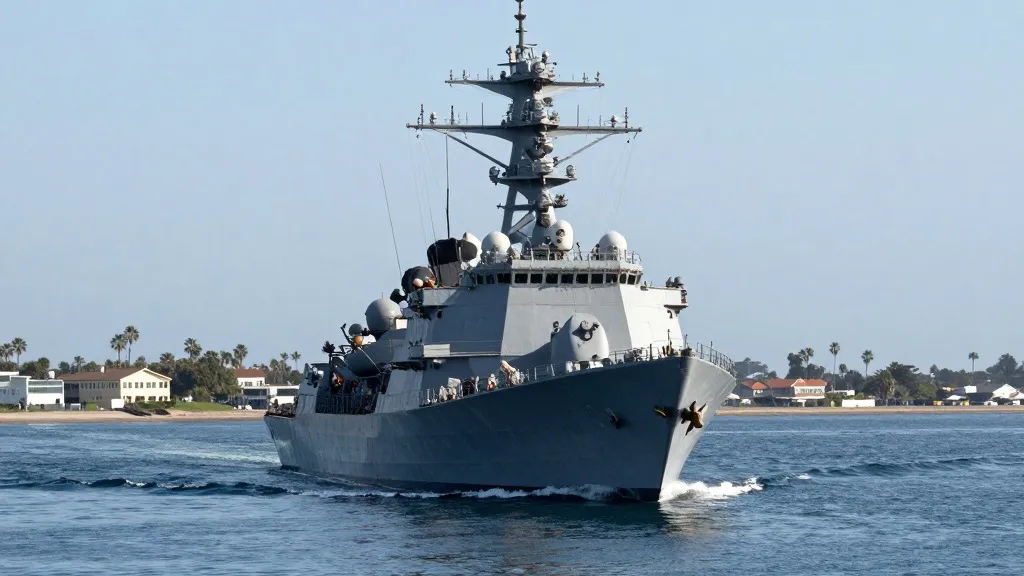
Tension over the future of the island nation spiked this week when US Secretary of State Marco Rubio issued a direct call to action for Cubans seeking political reform. The announcement landed with significant weight just hours after President Donald Trump suggested that American warships might stop in Cuban waters on their return trip from the Iran conflict. The timing of these two signals creates a sharp contrast between diplomatic outreach and military posturing.
In a social media message aimed at individuals who want to see positive shifts in their country, Rubio highlighted common frustrations such as broken promises, widespread corruption, and the lifestyles of a privileged few. He urged citizens to take advantage of the current moment to build the change they want. The core of his proposal involved a partnership with the CIA. Rubio used the word discrete, which typically means separate, when he likely meant discreet, implying a private or secret arrangement.
President Trump had first mentioned the idea of naval stopovers earlier this year but had stayed quiet on the topic for several months. He revived the concept on Friday during a rally for candidates in south Florida. A member of the crowd shouted a question about Cuba, prompting the president to explain that ships returning from Iran would pass near the island. He said one vessel would stop about 50 yards off the coast, where people would raise their hands. He then joked that he would send Rubio in to finalize the deal.
The reaction from Havana was immediate and pointed. Cuban deputy foreign minister Carlos Fernandez de Cossio posted on the platform X that the United States was resorting to public recruitment for the CIA. He mocked the agency, stating that there must be a great deal of desperation or misery for it to be forced to sell its services like a tube of toothpaste. This public exchange underscores the fragile state of relations between the two governments.
Both Trump and Rubio have adopted aggressive tones regarding Cuba in recent months. Trump previously suggested that the island could be the next target for intervention after the Iran war concludes. In May, the two leaders raised the prospect of military action, a threat that gained more force after the administration announced criminal charges against former Cuban leader Raúl Castro. Trump told reporters in the Oval Office that he looked like the one who would finally intervene, a task earlier presidents had considered for decades.
Rubio has framed Cuba as a long-standing national security threat due to its ties with US adversaries. While he said the administration prefers a peaceful resolution, he expressed doubt that the current government would agree to one. In a September 29 interview on Fox News, he declared that Cuba had already fallen, describing it as a nation without a functional economy. He noted that the leadership preaches a revolution that has been dead for 20 years and said the US would not allow the island to become a base against American interests.
Diplomatic efforts have been uneven and often stalled. Rubio and other senior aides met with Cuban officials in recent months to explore better relations, but the US side was unimpressed, leading to further sanctions. Last month, Trump told the UN general assembly that Rubio was deep into negotiations. Days later, he expected the two countries to make a deal without military help. However, earlier this week, the two governments clashed at the UN as Washington tried to build opposition to an annual vote condemning the US economic embargo.
The backdrop for these political moves is a severe economic and energy crisis that has plagued Cuba since 2020. The country's gross domestic product has shrunk, and its 10 million residents continue to face blackouts, food shortages, and high inflation. Waves of protests have occurred, and hundreds of thousands of Cubans have emigrated, with many moving to the United States. As midterm elections approach, voters are watching how the war on Iran affects prices for goods from gas to groceries, adding another layer of complexity to the US stance on Cuba.
What happens next remains uncertain. The administration is balancing the desire for a negotiated deal with the threat of military presence. Rubio's call for a secret partnership suggests a new tactic to encourage change from within, while Trump's comments on warships keep the option of force on the table. For working families in Florida and elsewhere, the outcome will depend on whether these bold statements lead to tangible improvements in trade and travel or further tension in the region.
Source: The Guardian
More Politics · World news · Report a business · Got a Story?