Fuel scarcity hits Sudanese daily life
A 40 percent hike in intercity bus fares reflects the severe economic pressure caused by widespread petrol shortages in Sudan.
By Elizabeth Morales ·
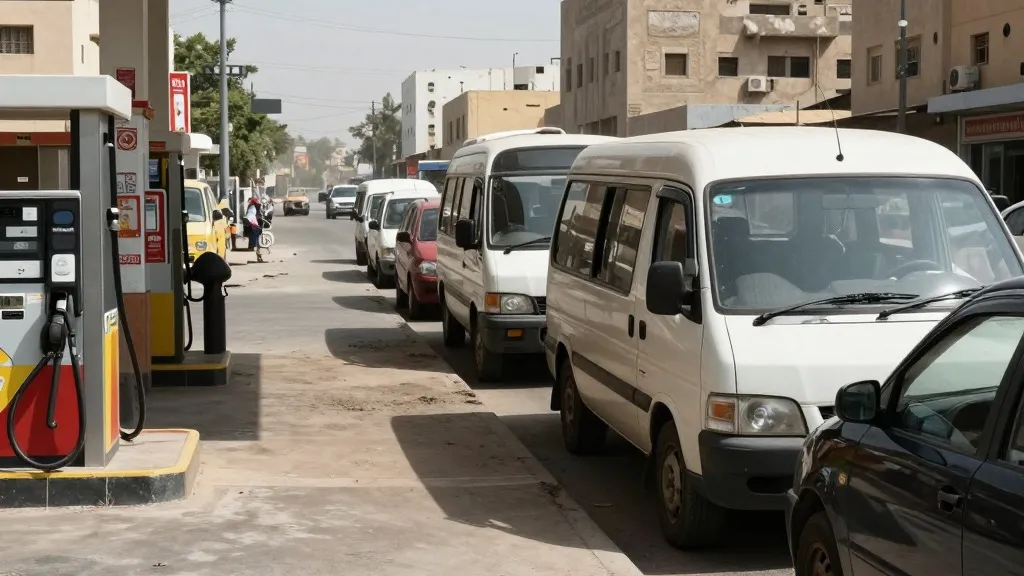
A 40 percent surge in intercity bus fares this month highlights the intense pressure on Sudanese transport costs. This sharp increase was mandated by the Transport Chambers Union, which also raised minibus prices by 30 percent. The move directly impacts working families who rely on public transit for employment and daily necessities.
The cost of movement has become a primary driver of household financial stress in cities like Port Sudan. Aziza Ibrahim, a 38-year-old cleaner, now spends nearly half of her monthly salary on transport alone. Her daily round trip to the city centre requires 11,000 Sudanese pounds, a significant jump from the 700 pounds she paid before the conflict. This expenditure forces her to cut her work schedule to three days per week, reducing her income while she also manages costly diabetes treatment.
Drivers face similar struggles as they attempt to maintain service despite limited resources. Azhari Mohamed, a 60-year-old minibus operator, works from 6am to 9pm to complete seven round trips between the Shagar neighbourhood and the city centre. His vehicle consumes 11 litres of petrol daily, costing approximately 105,000 Sudanese pounds. After covering these fuel expenses, he retains only about 50,000 pounds per day to support his family, including a daughter currently enrolled in university.
The scarcity of fuel has disrupted work routines, forcing many operators into long waits for refuelling. Mohamed now works two days and spends a third day waiting in line, sometimes for over five hours. On occasion, the petrol runs out before he reaches the pump, requiring him to restart the queue. This unpredictability makes consistent earning difficult, a situation he describes by stating, "We just need fuel to be available so we can work."
Broader economic factors are compounding these local challenges. The United Nations Development Programme reports that average incomes in Sudan have regressed to levels last seen in the 1990s. The war, which began on April 15, 2023, between the Sudanese Armed Forces and the Rapid Support Forces, has caused severe damage to the energy sector. The Ministry of Energy and Petroleum estimated war-related losses at $20 billion last year, with attacks on the Balila oil field disrupting supplies to the Khartoum refinery.
The Khartoum refinery previously supplied about 60 percent of the national demand for petrol and liquefied petroleum gas. With domestic output sharply reduced, the country now relies heavily on imports. This dependency is problematic because a global fuel crisis has simultaneously raised prices for gas, petrol, and diesel worldwide. Economic analyst Sidi Ohaj notes that strict government rules for importers have further constrained supply.
Importers are currently required to deposit 200 kilograms of gold in the Central Bank and own fuel storage facilities. Many businesses have left the market because they cannot meet these requirements, reducing the total supply available relative to demand. Ohaj argues that the government must urgently ease these procedures. He also points to drone attacks on infrastructure and the ongoing conflict between the United States and Iran as factors disrupting global energy markets and delaying relief.
The ripple effects of rising fuel costs extend into the retail and trade sectors. Ahmed al-Haj, a trader in Omdurman, reports that the cost of moving a tonne of goods has increased by 30 to 50 percent. These higher logistics costs are passed directly to consumers through product prices. Local deliveries in Omdurman have doubled in cost, rising from 5,000 pounds to between 10,000 and 12,000 pounds, making regional distribution increasingly unviable.
As transport workers make fewer trips due to high costs, goods are piling up at traders' premises. The combination of reduced supply, higher import hurdles, and global market instability creates a challenging environment for businesses and families alike. Without significant changes in import policies or a rapid resolution to the war, the pressure on daily living costs is likely to persist.
Source: Al Jazeera
More Business · World news · Buyer Beware · Report a business · Got a Story?